
Hardware 101
Finishes 101
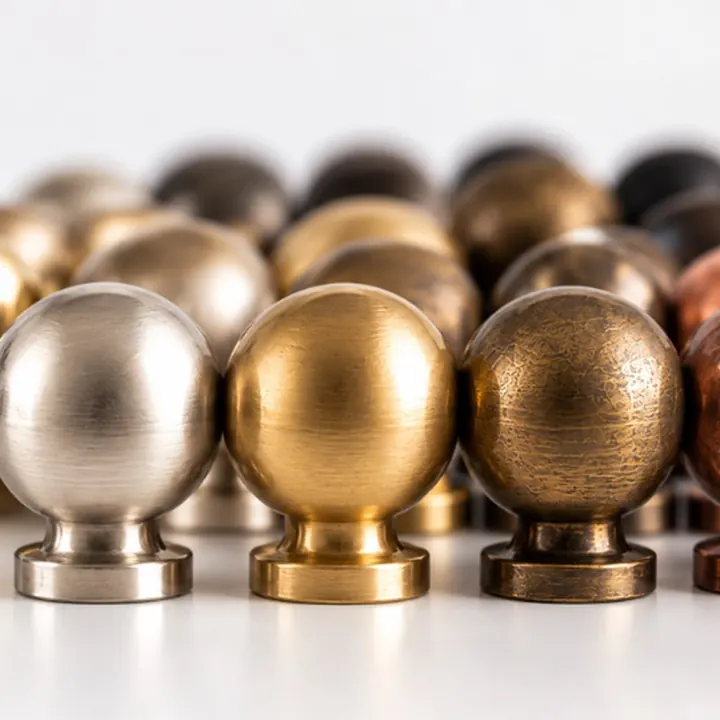
A finish isn’t just a colour. It’s four things working together: the metal underneath, its surface, its colour and its top coat. Learn to read a finish, how it ages and how to care for it.
01 · The Metal
The metal decides what’s possible
The metal underneath sets the weight, the strength and which finishes it can take. It is also what shows through if a finish ever wears.
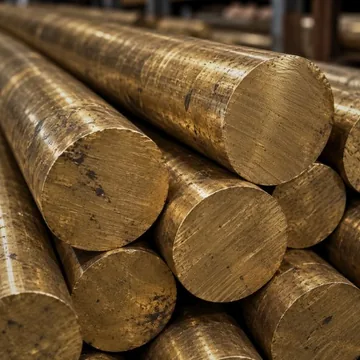
Brass
Copper + zinc. Warm, easy to finish, and the most common metal in fine hardware.
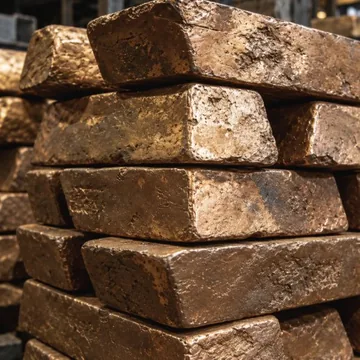
Bronze
Copper + tin or silicon. Dense and substantial, often sand cast with a little texture.
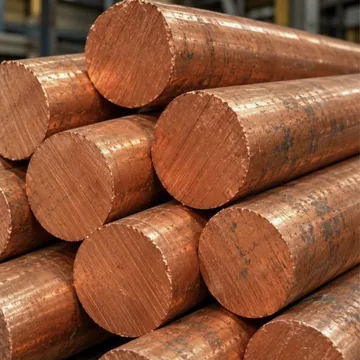
Copper
Pure copper. Warm and rosy, and the fastest-changing hardware metal.
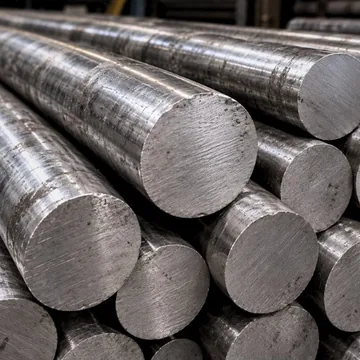
Stainless steel
Iron + chromium. Hard and cool, with excellent resistance to rust.
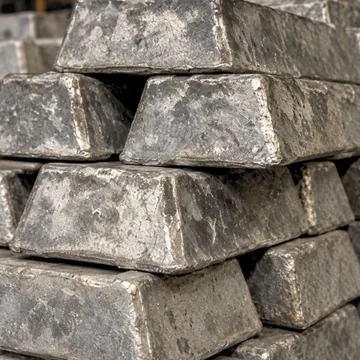
Zinc alloy
Die cast into detailed shapes at lower cost, then plated.
02 · The Finish
How to read a finish name
Once you know the metal, a finish name tells you the rest: its surface, its colour and its top coat. “Satin nickel” is a brushed surface with a nickel colour. “Polished unlacquered brass” is a mirror surface, brass’s own colour, with nothing on top.
Step 1
The surface
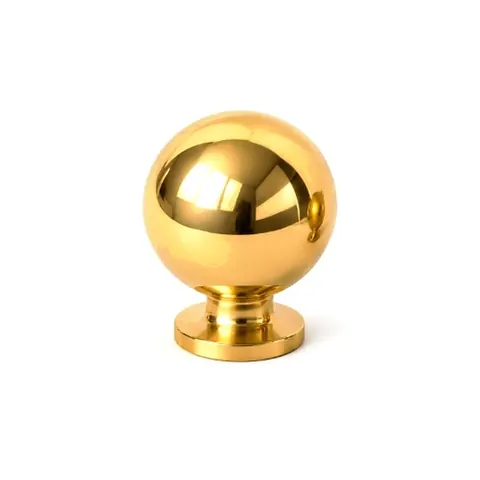
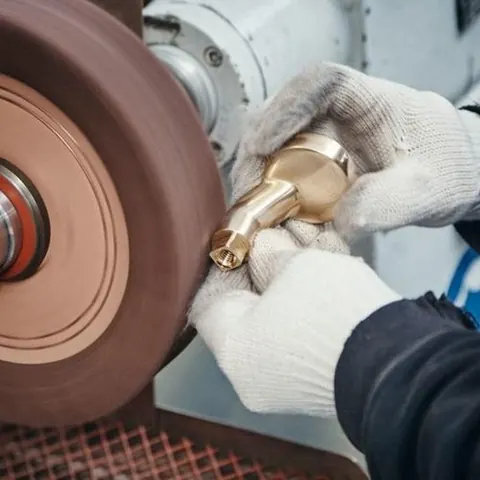
Polished
Buffed to a mirror. Bright and reflective, and shows fingerprints.
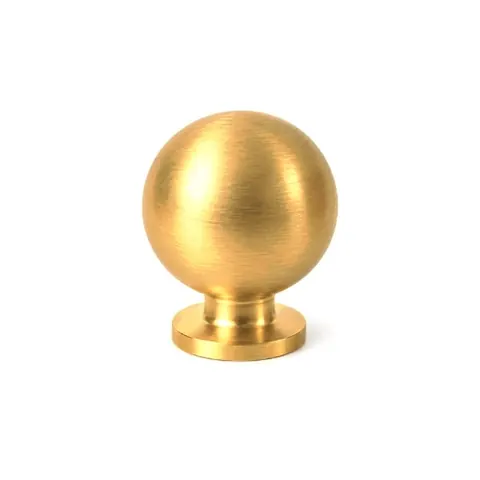
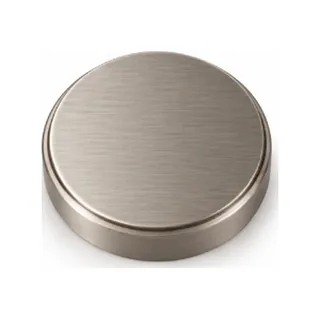
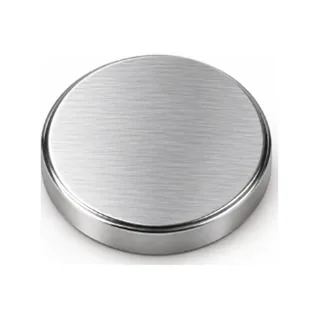
Brushed or satin
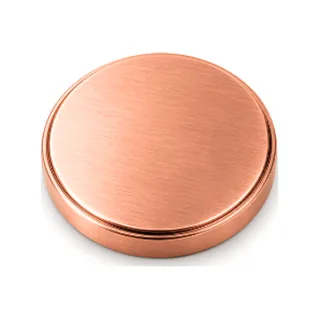
A fine grain softens the shine and hides everyday marks.
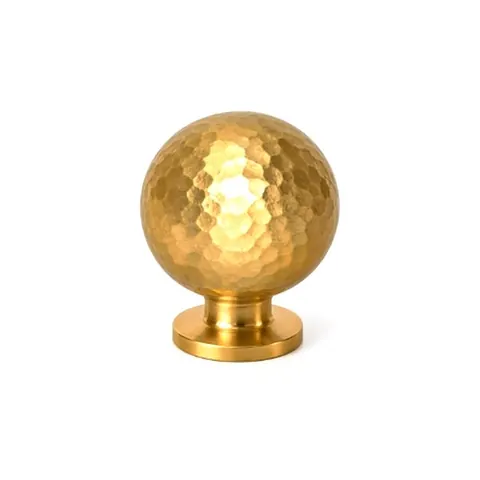
Textured
Hammered, knurled or peened by hand or machine for grip and character.
That’s why most colours come in a polished and a satin version.
Step 2
The colour
The colour comes from the metal itself, or from something added to it.
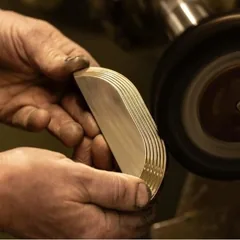
Natural
The metal’s own colour, polished to a mirror or brushed to a satin.
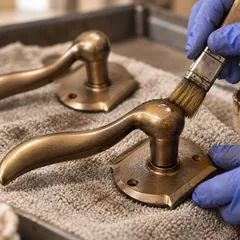
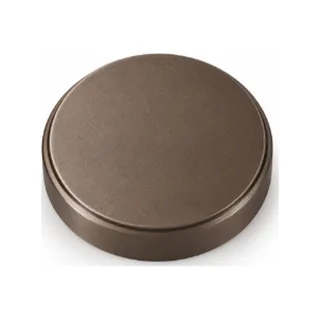
Patinated
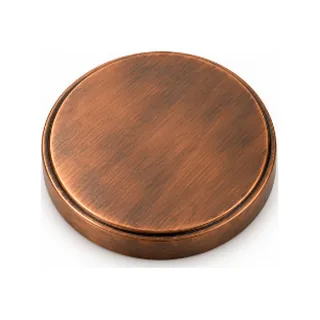
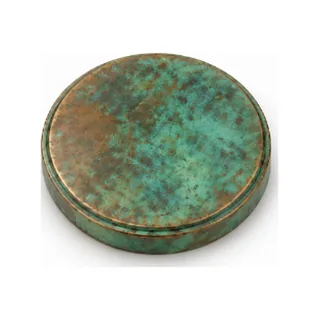
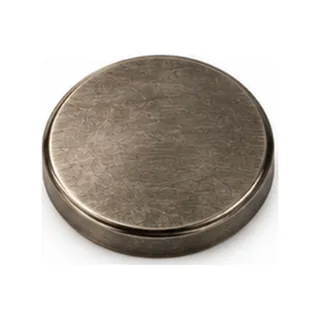
A chemical solution darkens or colours the metal, from antique brass to verdigris. High points are often relieved by hand to show the metal beneath.
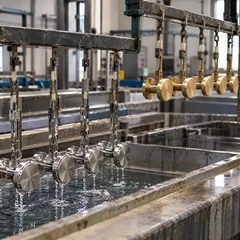
Plated
A thin layer of another metal, such as nickel, chrome or copper, is bonded electrically over the base metal, usually brass.
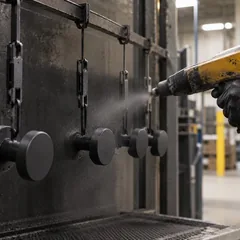
Coated
PVD, powder coat or anodizing bonds colour and protection in one hard layer. PVD also comes in nickel, copper and bronze tones.
Step 3
The top coat
The top coat decides how the colour behaves over time: whether it keeps changing or stays close to how it arrived.
Unlacquered
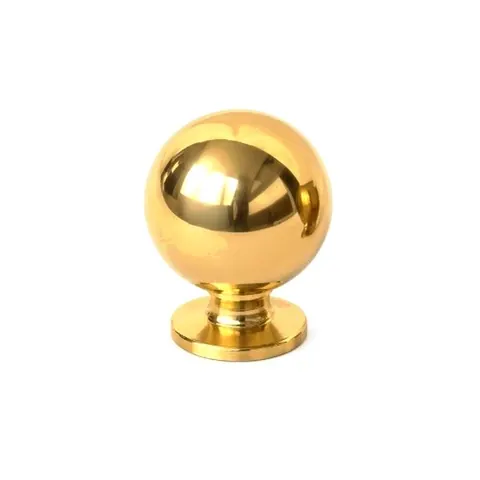
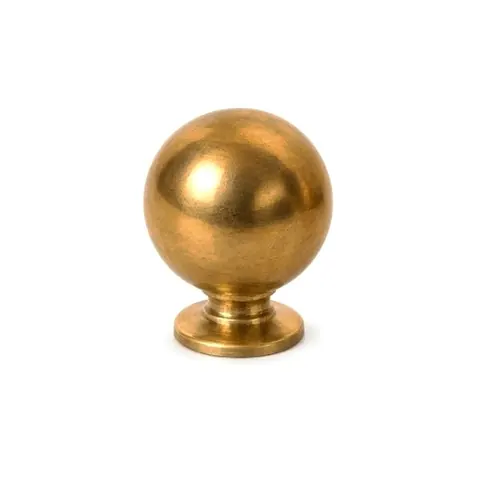
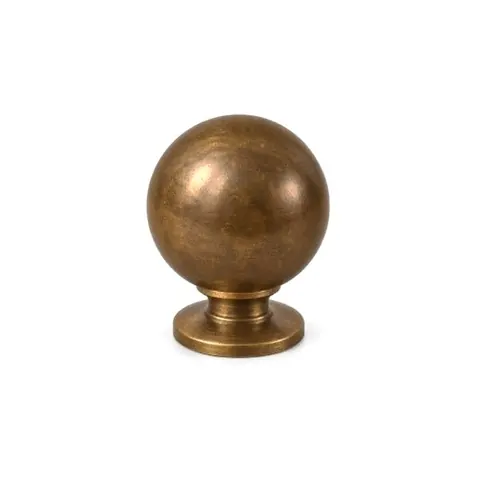
LivingNothing on top. The metal keeps changing with air and touch.
Image: FSB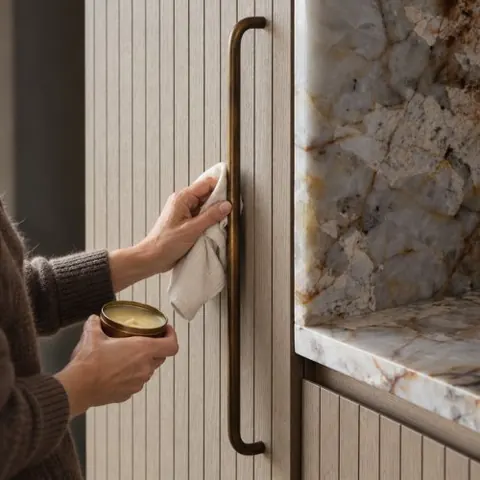
Waxed
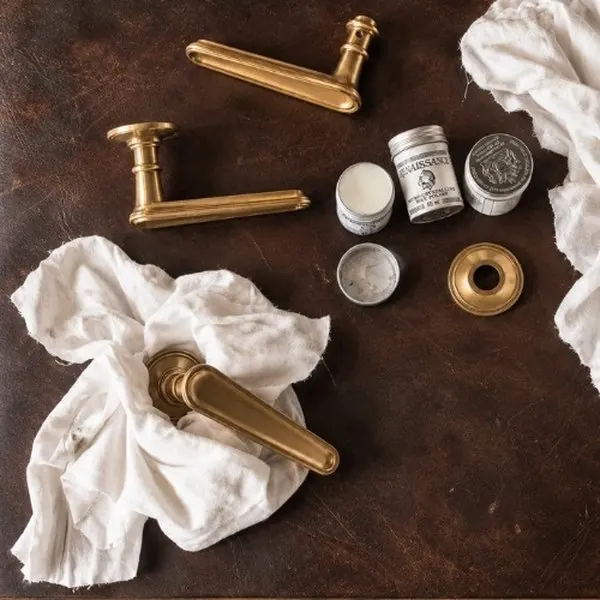
Living, slowedA hand-rubbed wax that slows the change. Reapply when it starts to look dry.
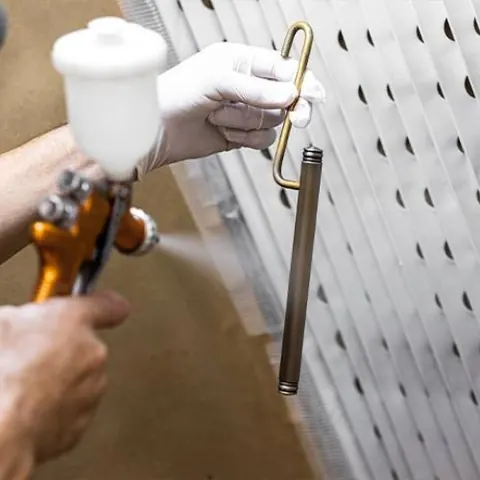
Lacquered
SealedA clear coat keeps the colour close to how it arrived. Some brands use a harder ceramic coat.
Plating can be left bare or lacquered. Chrome, PVD, powder coat and anodizing are already sealed, so they never need a top coat.
Explore the top coat guides
03 · The Patina
From living to lasting
The top coat decides how much a finish changes. Here is every finish we carry, from the ones that change the most to the ones that hold their finish.
Most changing
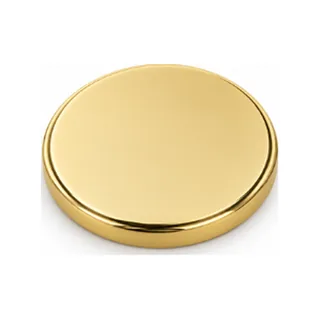
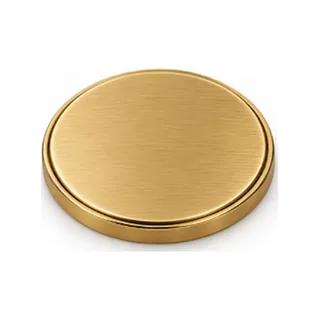
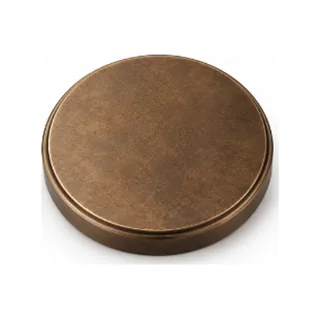
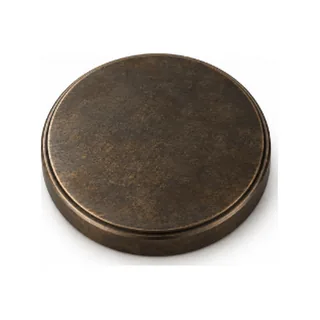
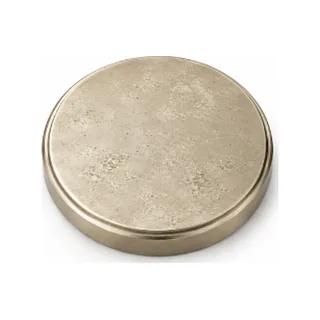
Unlacquered & waxed
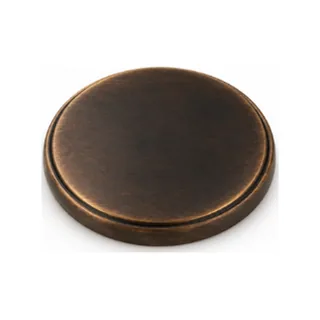
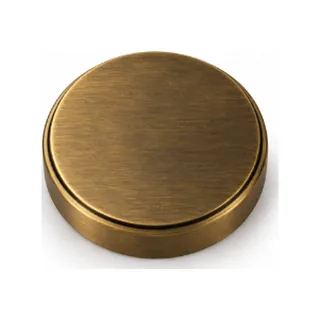
Bare metal darkens with air and touch. Wax slows the change.
Brass
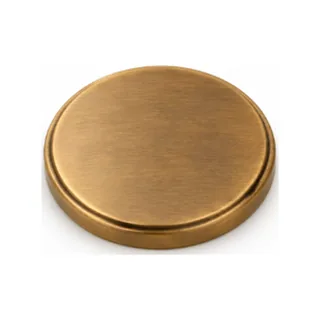
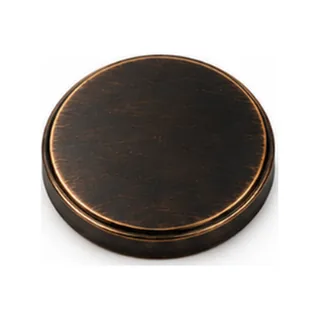
Bronze
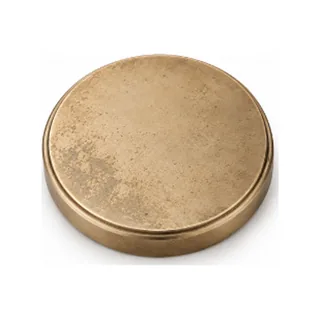
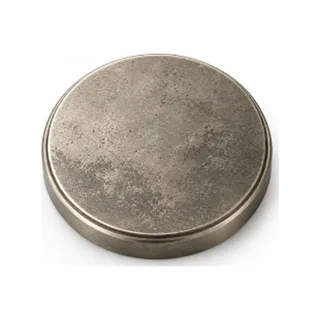
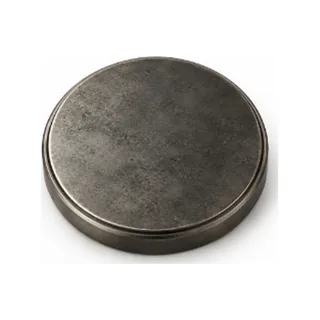
Copper
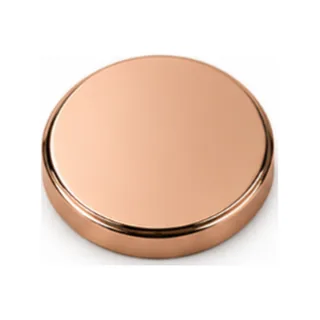
Lacquered
A clear coat keeps the colour close to how it arrived. Most brass, copper and plated finishes can be lacquered.
Brass
Copper
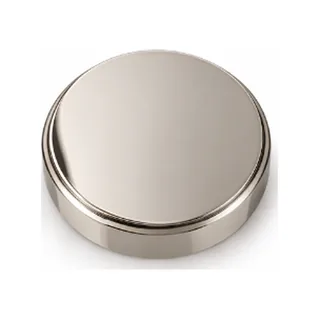
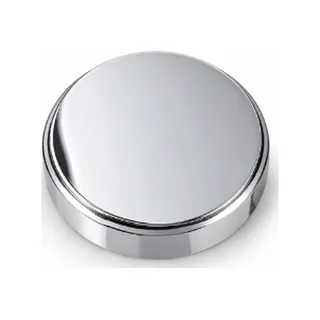
Plated
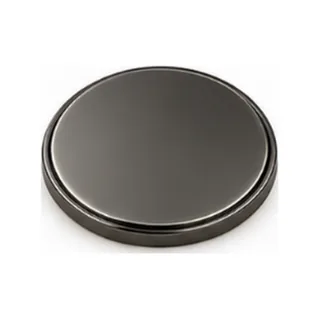
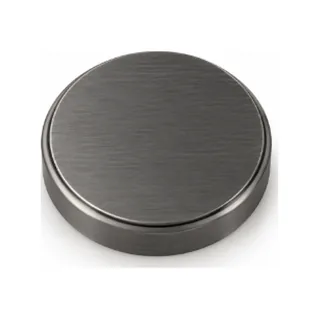
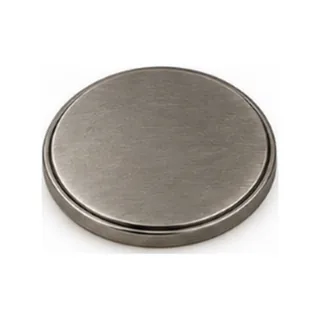
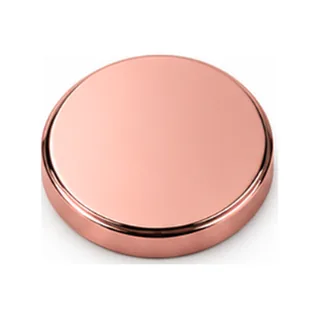
Black
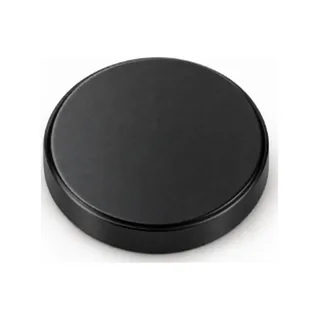
Plated
Another metal plated over a brass base, left bare. Steady until it wears.
Powder coat
A coloured powder baked onto the metal. Tough and even, but it can chip.
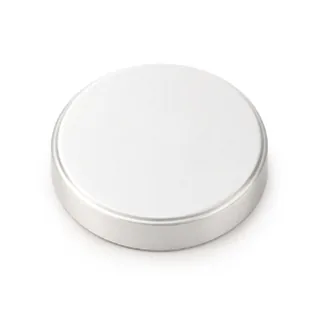
Anodized
Colour grown into the surface of aluminum. Hard and even.
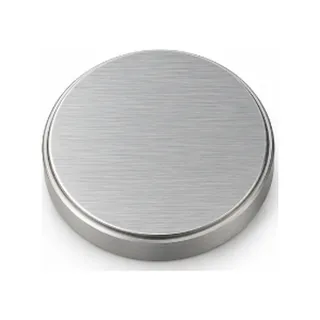
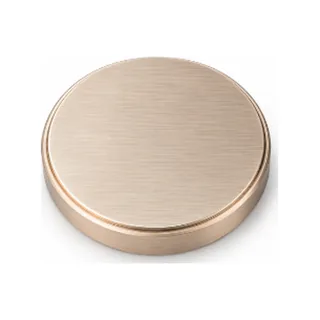
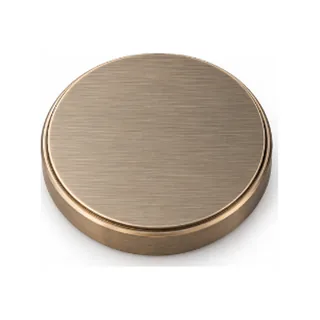
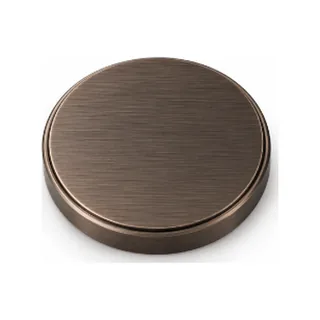
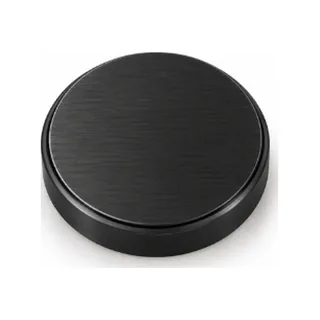
PVD
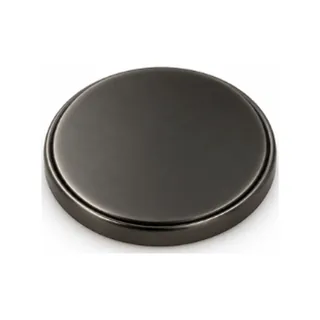
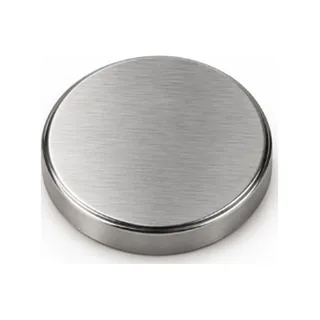
A very hard layer bonded to the metal. Holds its colour the longest of any coating.
No coating
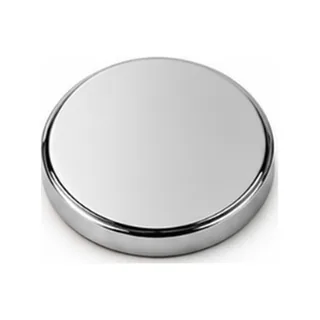
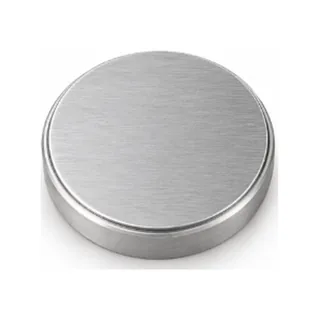
Stainless steel and aluminum don’t tarnish, so nothing goes on top. There is nothing to wear off.
Holds its finish
How a living finish changes
04 · The Maintenance
Caring for your finish
Every finish starts with the same care: dust with a soft, dry cloth. When it is dirty, use mild soap and water, then dry it straight away. What changes from finish to finish is what to avoid.
Unlacquered & waxed
Living finishes
- Let it age, wax it to slow the change, or polish it to bring back the colour.
- Never use scouring pads or steel wool.
Lacquered
Sealed with lacquer
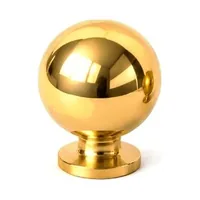
- Never use metal polish. It strips the lacquer.
- Worn lacquer can be stripped and redone by a refinisher.
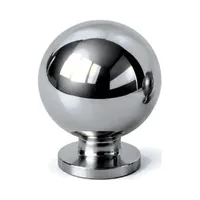
Plated
Nickel, chrome and copper plate
- Avoid abrasive pads and cleaners. They can wear through the plating.
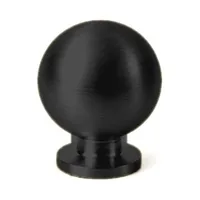
PVD, powder coat & anodized
Coated finishes
- Very hard-wearing, but it can chip over time and expose the metal underneath.
- A chip can’t be touched up, so ask us before refinishing.
Always check the maker’s care guide too.
Common questions
What is a living finish?
A finish with nothing sealing it, like unlacquered brass or solid bronze. Air and hands change it over time, and that is the reason to choose it. Read the Unlacquered Brass and Solid Bronze guides to see how each one ages.
Is my hardware lacquered?
Many polished and satin brass finishes are. If the name says unlacquered or living, it is not. The maker’s spec sheet, or our team, can tell you.
How can I tell what my hardware is made of?
Look for “solid brass,” “solid bronze” or “stainless steel” on the maker’s spec sheet. The word “solid” tells you it is the metal all the way through. If you are not sure, ask us.
Will lacquered and unlacquered brass match?
On day one, closely. Over time the unlacquered pieces will deepen and the lacquered ones won’t, so it is best to keep each room to one or the other.
Will the same finish from two brands match?
Not always. Ask three makers for unlacquered brass and you will get three different golds. Compare samples side by side, in your own light, or see them in our Finish Gallery.
Is patina covered by the warranty?
Change is expected on a living finish, so it is not counted as a fault. Each brand words its warranty differently, so check before you buy, and bring anything unusual to us.