
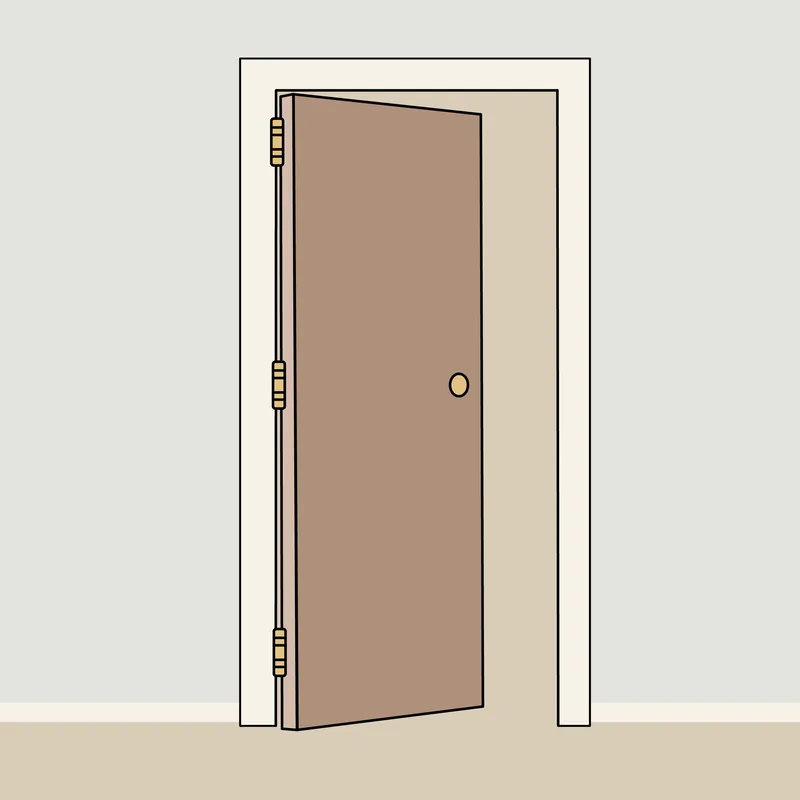
Standard Hinged Door
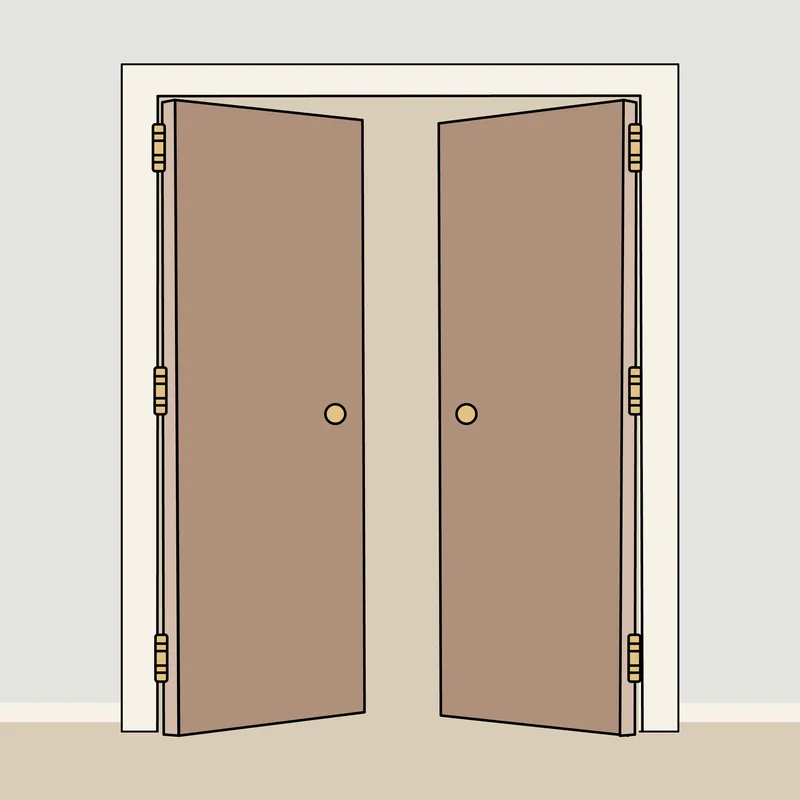
Double Doors

French Doors
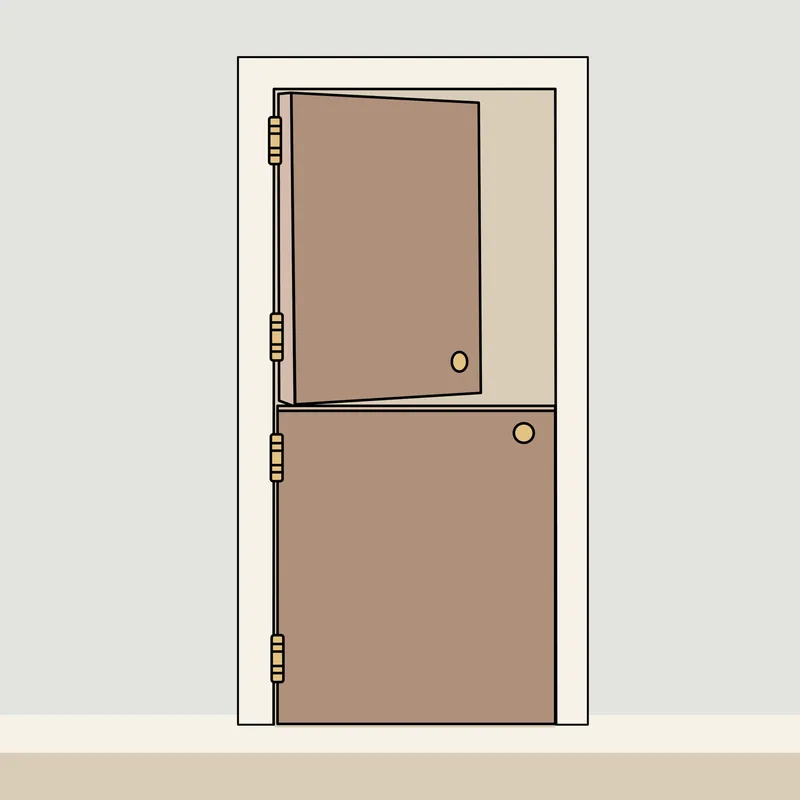
Dutch Door

Pocket Door
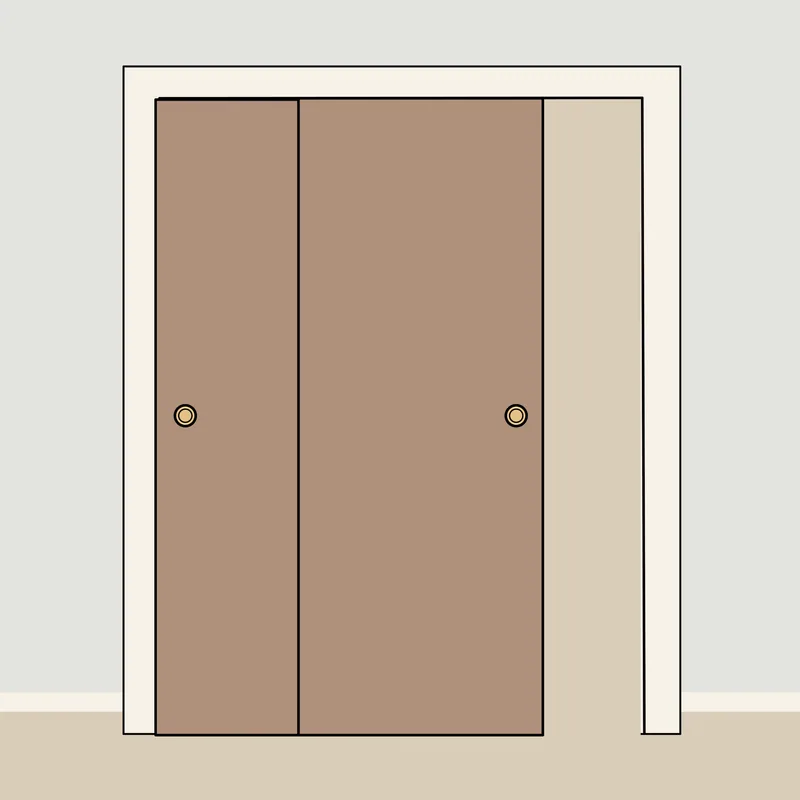
Bi-Pass Doors

Barn Door
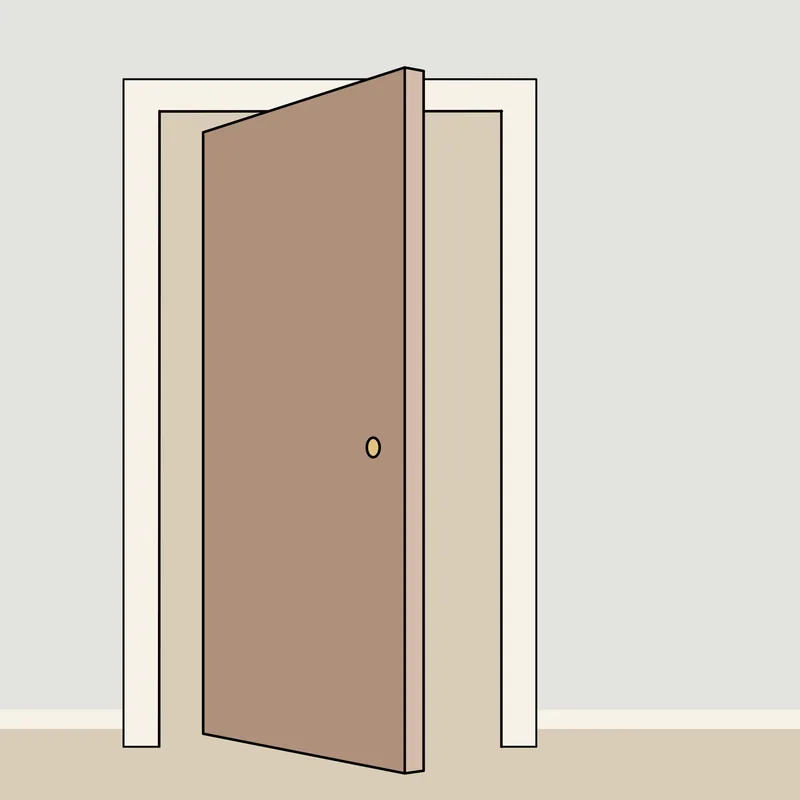
Pivot Door

Bi-Fold Door

Dummy
INACTIVEFixed trim for inactive doors.
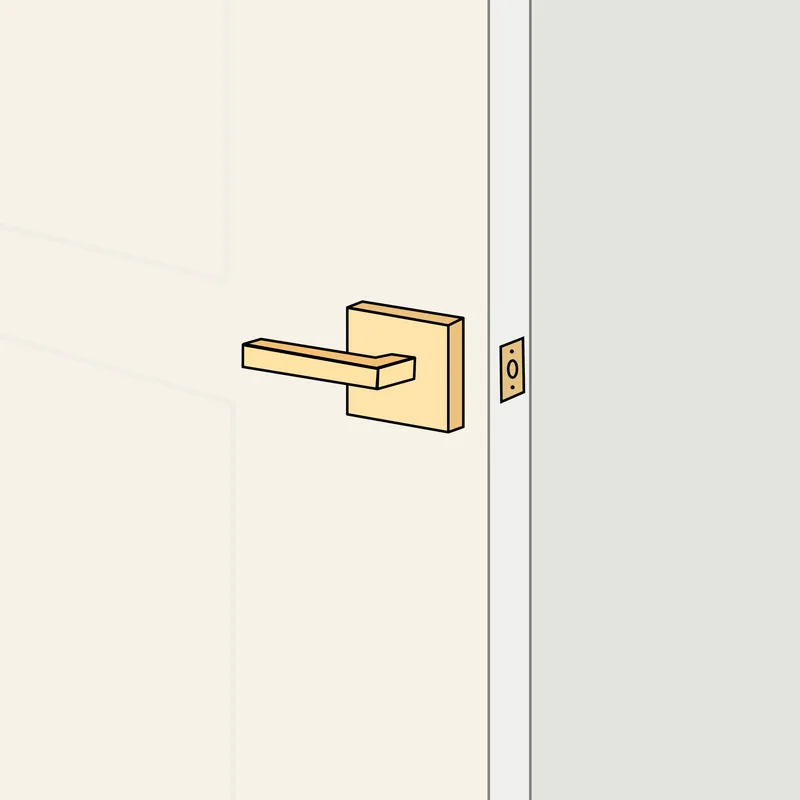
Passage
NON-LOCKINGNon-locking handle used on interior doors.
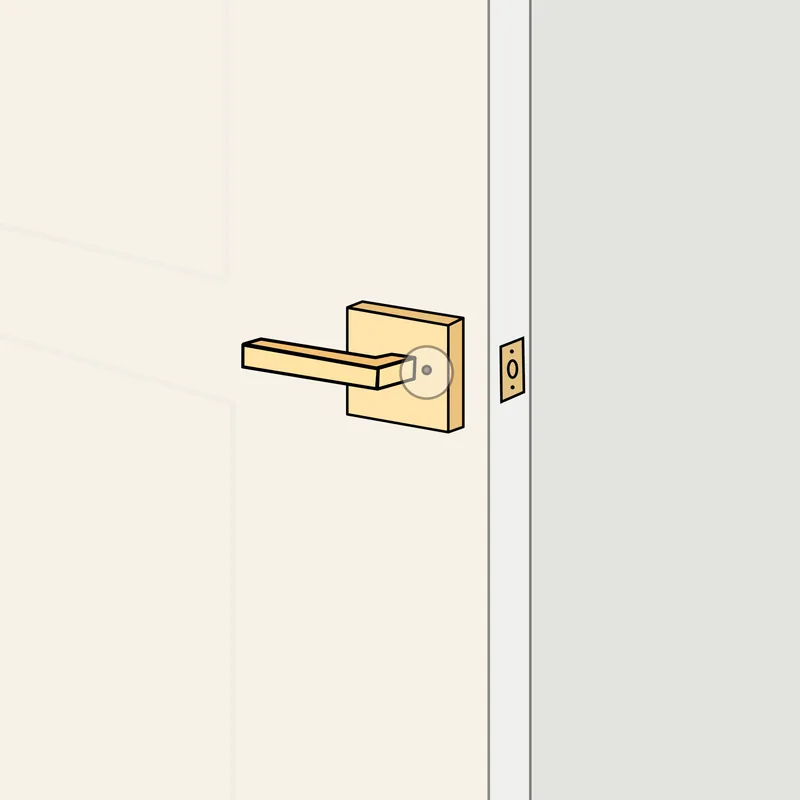
Privacy
PRIVACY LOCKInterior locking handle for bedrooms and bathrooms.
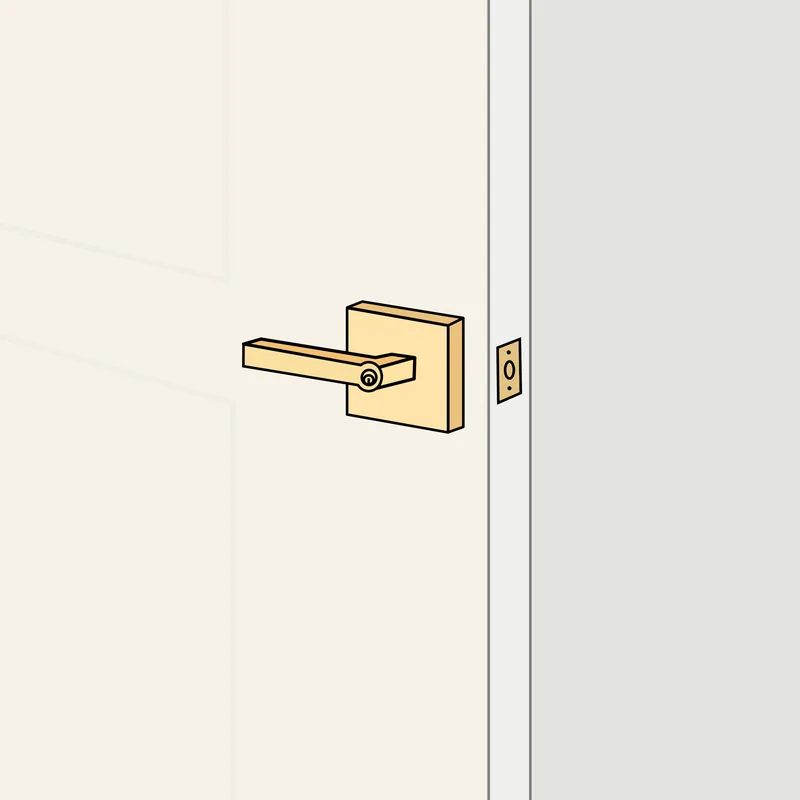
Keyed
KEYED LOCKKey-operated lock for exterior security.
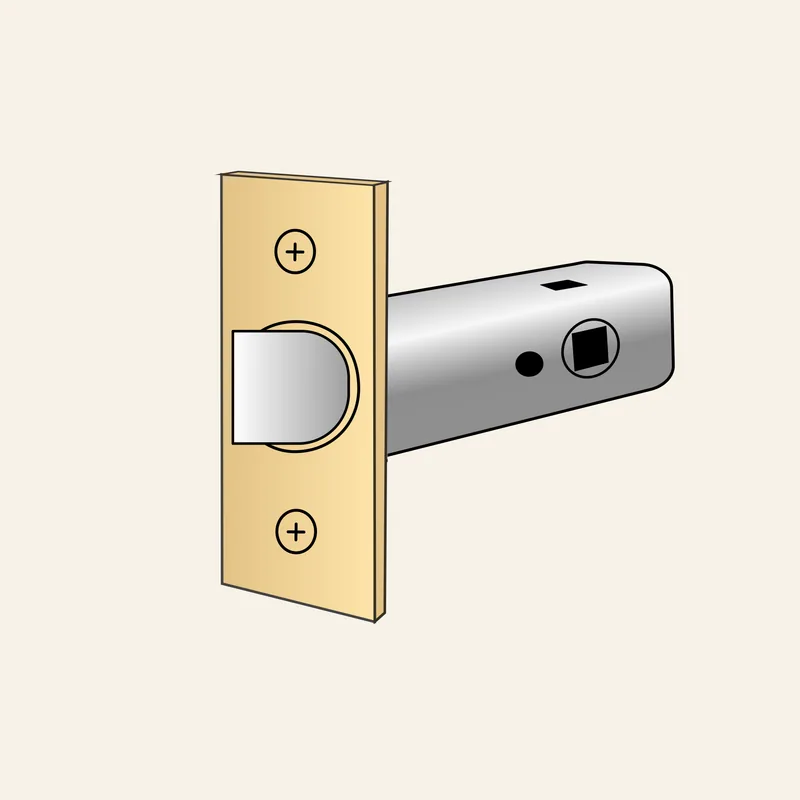
Tubular Latches
STANDARDThe most common interior latch system. Installed with a 2⅛″ cross bore and 1″ edge bore. Used for passage, privacy, or keyed function.
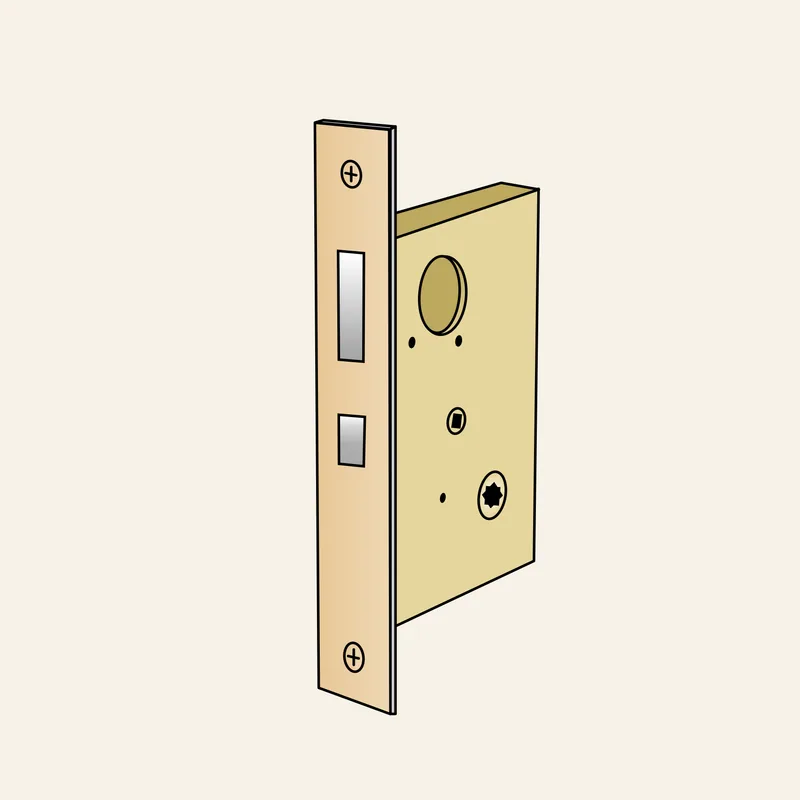
Mortise Locks
A lock body housed inside a rectangular pocket cut into the door edge. Heavier construction with smoother operation and more function options.
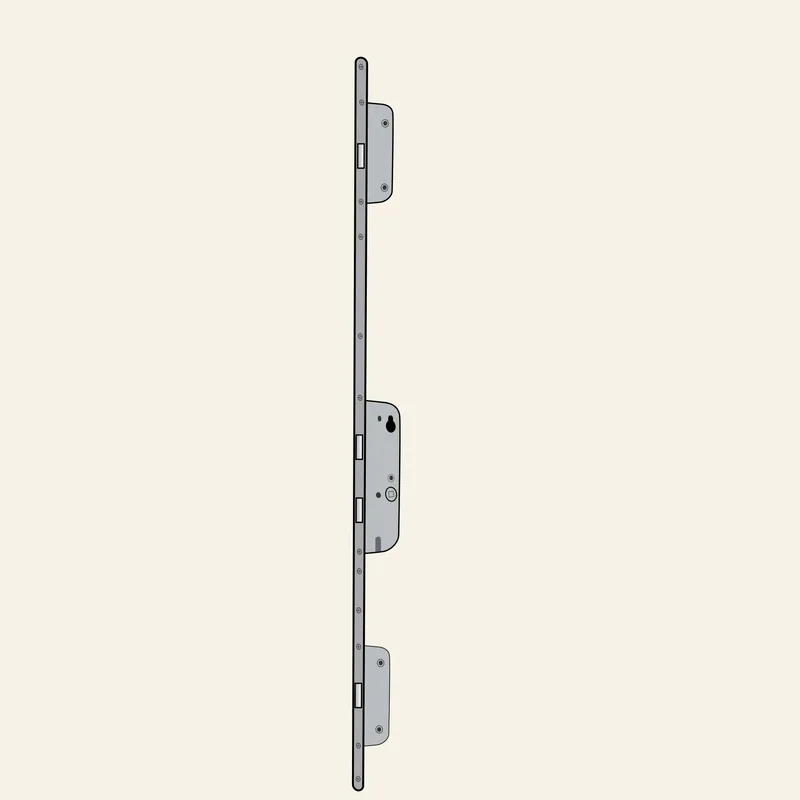
Multipoint Locks
A full-height locking system that secures the door at multiple points along the edge. Common on exterior entry doors.
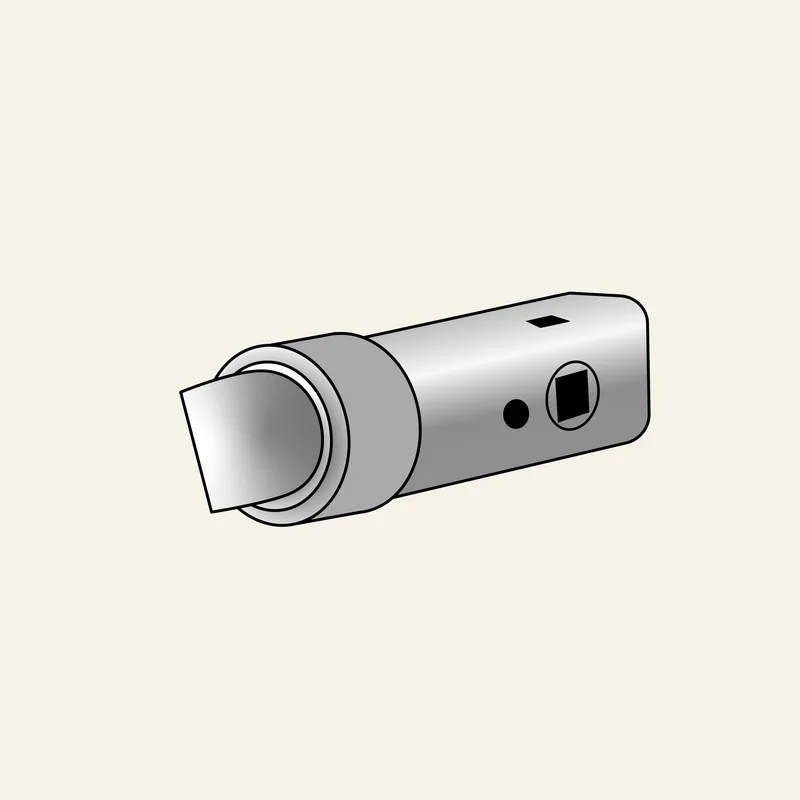
Drive-In Latch
A latch pressed into the bore hole without a faceplate or screws. Can loosen over time — not recommended for long-term use.

Magnetic Latch
Uses a magnetic strike to hold the door closed. Silent operation with minimal wear.

Ball Catch
A spring-loaded ball recesses into the frame to hold the door in place. Common on closet doors.

Roller Latch
A spring-loaded roller that holds the door shut. Push to open, pull to close.
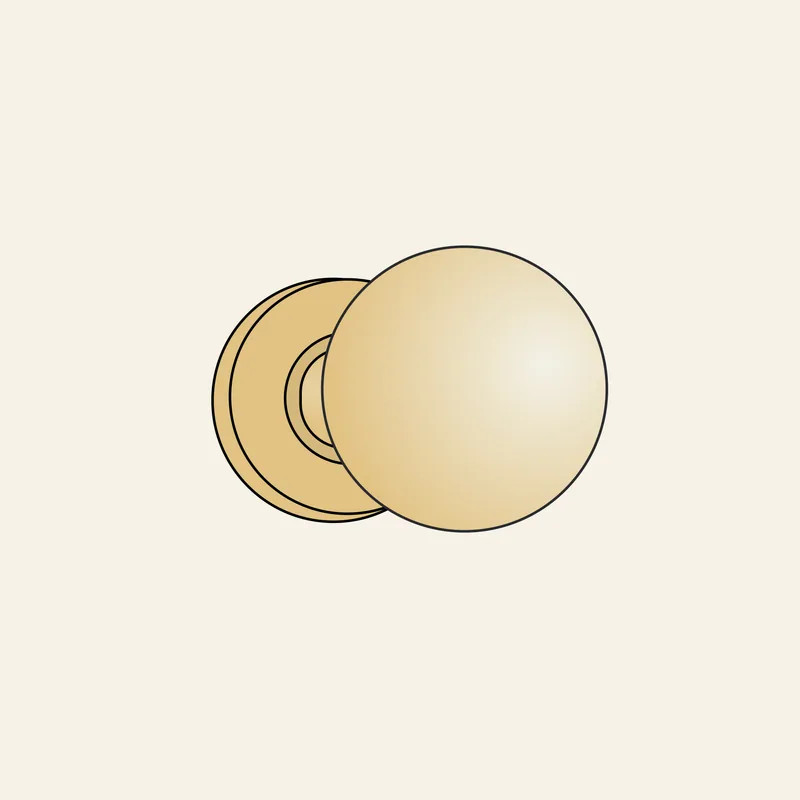
Knob
Classic spherical shape. Timeless and familiar.

Pull
Vertical bar. Architectural presence on larger doors.
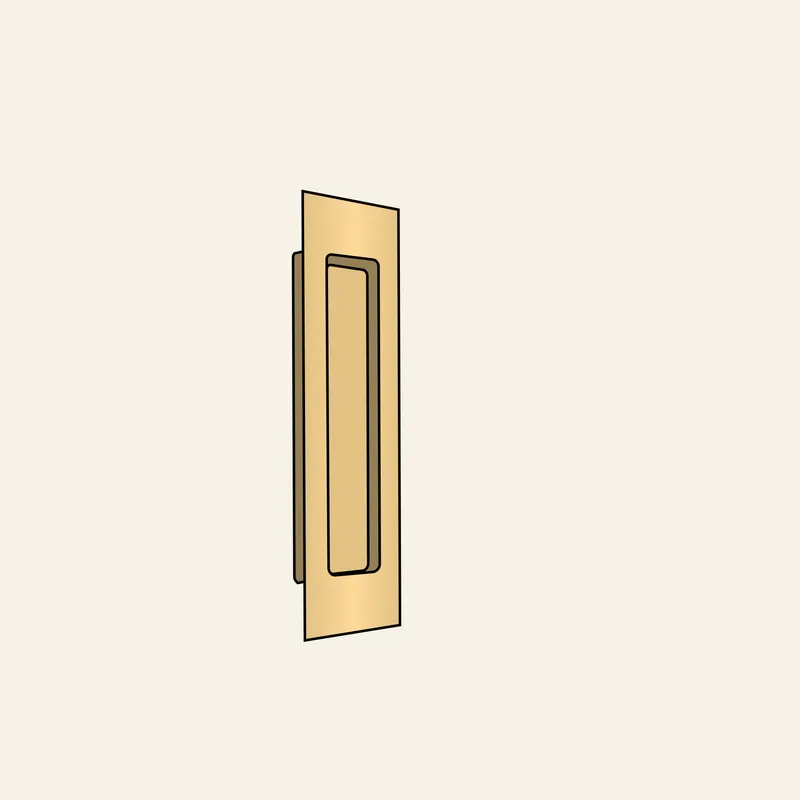
Flush Pull
Recessed pull installed flush with the door surface.

Lever
Modern and ergonomic. Accessible and versatile.

Grip
Fixed vertical handle with a thumb latch. The signature entry door style.

Pocket Door Pull
Recessed pull designed for sliding pocket doors.

Door Thickness
Measured from face to face. Standard: 1⅜″ interior · 1¾″ exterior.
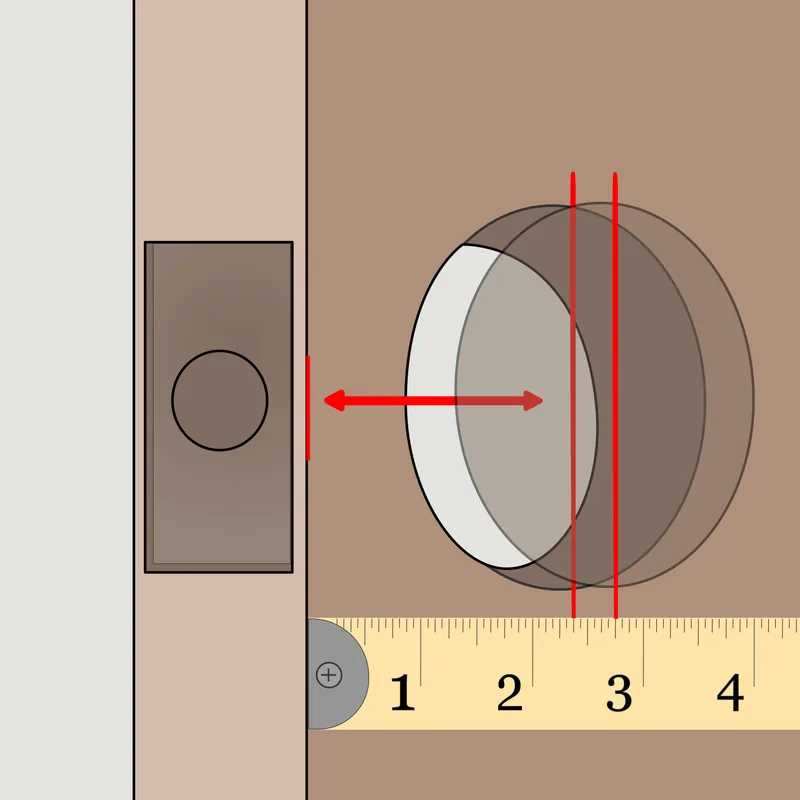
Backset
Measured from edge to bore centre. Common: 2⅜″ · 2¾″.

Door Handing
Stand on the hinge side. Hinges left = LH. Hinges right = RH.

Door Swing
Standing outside the room: swings toward you = outswing, away = inswing.