
Finish Guide · Living Finishes
Unlacquered Brass
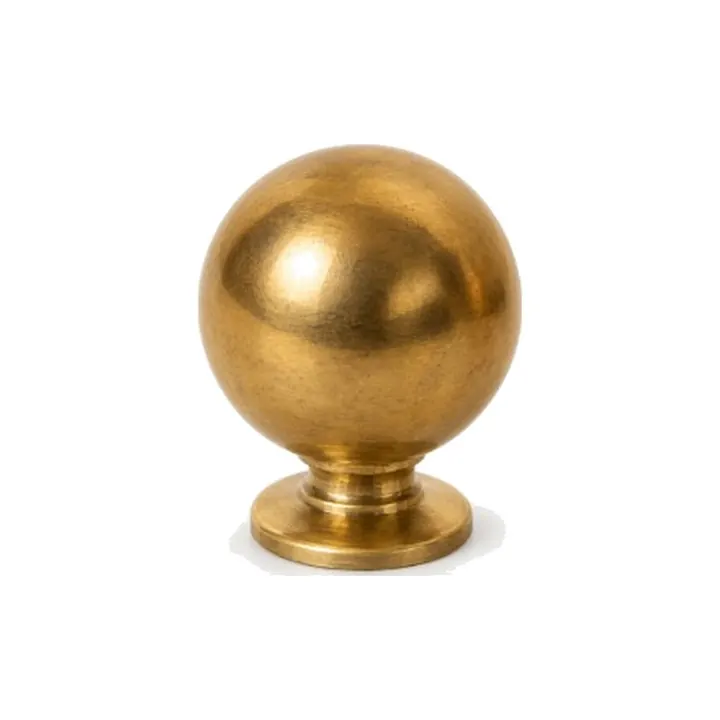
Why Unlacquered Brass Changes, and Why That Is the Point
Unlacquered brass is solid brass with no clear coat. Air and hands change it over time, and that is the reason to choose it.
01 · The Metal
What is unlacquered brass?
Brass is copper and zinc, prized for its warmth. Unlacquered hardware is solid brass, the same metal all the way through.
Compare metals in the Finish Gallery
Every piece is made in three stages. It starts as solid brass. It is shaped by casting it in a sand mould, forging it under pressure, or machining it from solid bar. Then it is finished: brushed, polished or aged.
Unlacquered means the brass is left bare at that last step. No lacquer, no plating. That is what makes it a living finish.
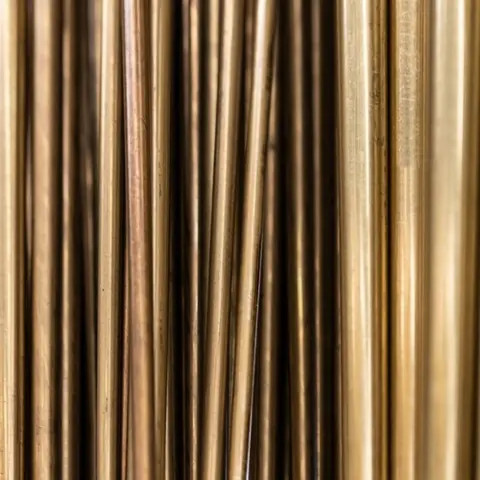
Solid brass
Image: Armac Martin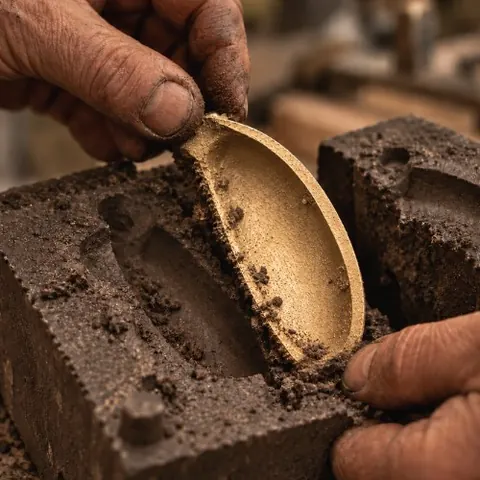
Cast, forged or machined
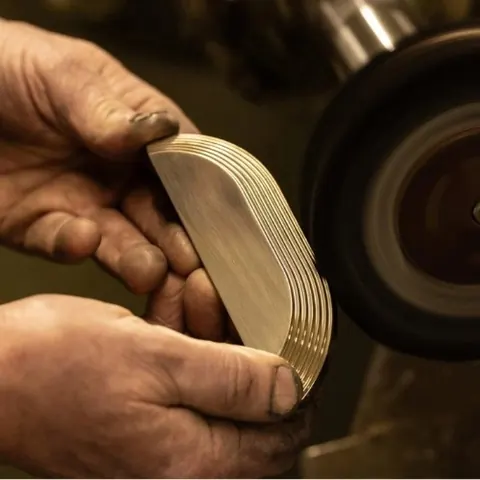
Polished by hand
Image: Armac Martin02 · The Colour
Why does every brand’s brass look different?
Ask for unlacquered brass from three makers and you will get three different golds. Each brand makes its brass its own way:
- Its own recipe. Brass is copper and zinc, and each maker chooses the mix. More copper tends to give a warmer, rosier gold; more zinc, a paler, yellower one.
- Its own surface. Polished, brushed or satin, each catches the light differently, even on the same metal.
- Its own starting point. Some makers send it out bright; others age it at the factory first.
So two brands’ unlacquered brass will not match out of the box, and each will age in its own way.
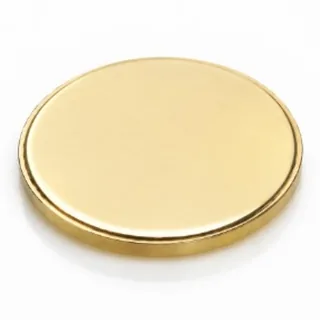
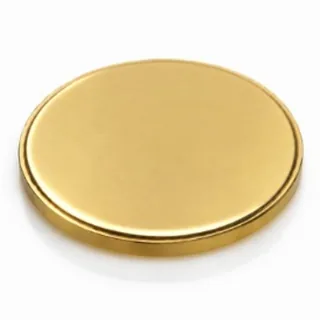
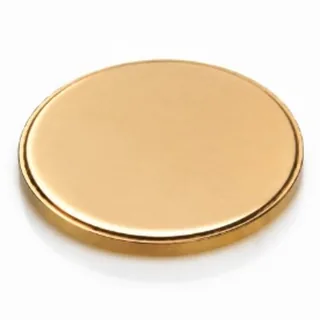
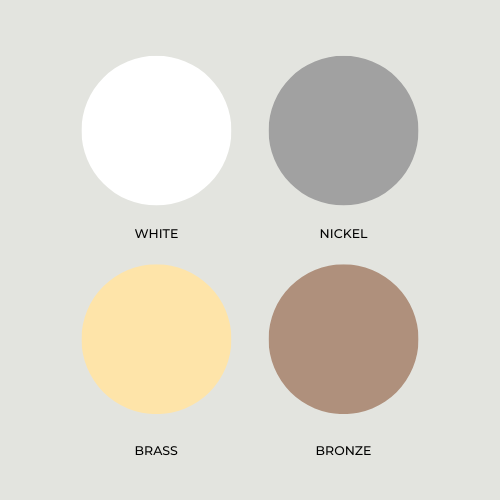
← LighterWarmer →
Matching across brands? Compare samples side by side, in your own light.
03 · The Patina
How does it age?
When bare brass meets air and moisture, a thin layer forms on its surface. That layer is the patina. Unlacquered brass moves through three stages: bright, then honey and amber, then deep antique bronze. The change is gradual and uneven.
Tarnish or patina? Tarnish is where it starts: fingerprints, water marks and a thin, patchy film you can polish off. Leave it, and it deepens into patina, the richer, settled tone unlacquered brass is chosen for. The patchy stage is normal.
Every brass changes at its own pace. The alloy, the finish and your home all play a part: the air, the moisture and how often each piece is used.
“We suggest unlacquered brass for homes that want to show they’re lived in.”
 Brody · Showroom Manager
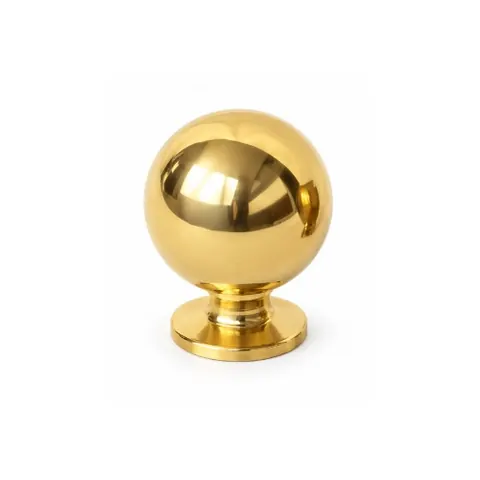
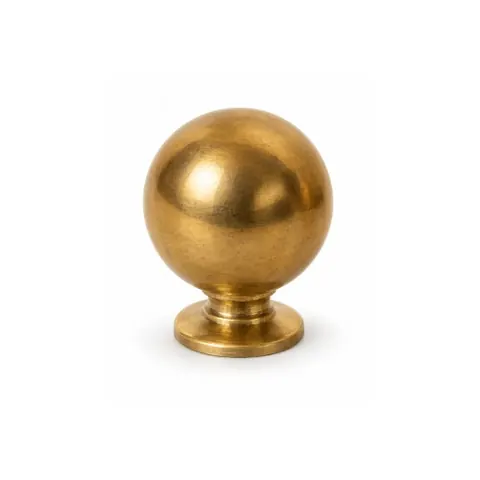
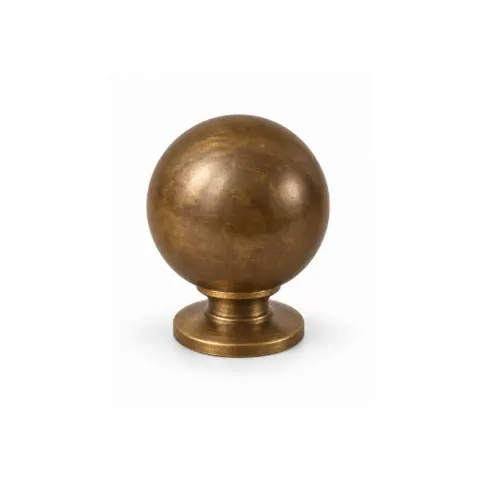
Where it changes most
| Interior | Exterior | |
|---|---|---|
| Light use | Least changeDarkens slowly all over. A TV cabinet or guest room. | More changeDarkens all over. A side or garage door. |
| Heavy use | More changeBright where it is held. Kitchen and bathroom. | Most changeDark, with a polished grip. The front door. |
Wet, coastal weather like Vancouver’s can speed it up.
Mixing finishes? Keep lacquered and unlacquered in separate rooms. They match when new, then drift apart. And install it all at once: pieces that start together age together.
Why does unlacquered brass age unevenly?
Two things happen at once. Air darkens the whole piece, slowly and unevenly. Your hand brightens it again, but only where you touch it. The finish you live with is the balance of the two, which is why every piece ends up a record of how it was used.
The same age. Different use.
Try it
Same pull, same age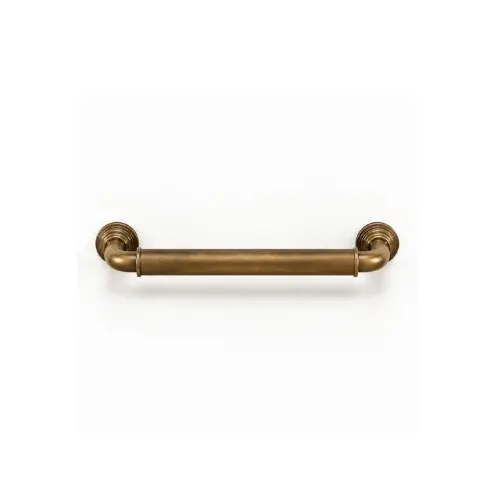
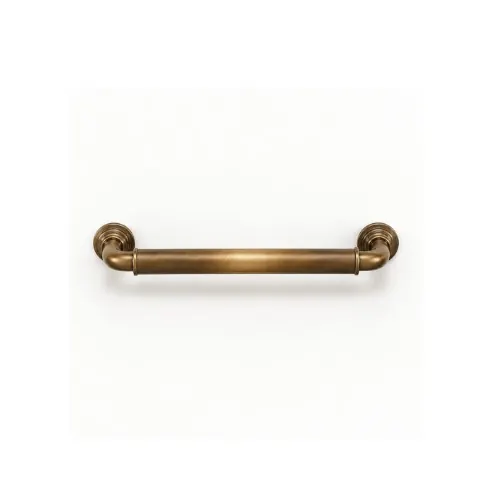
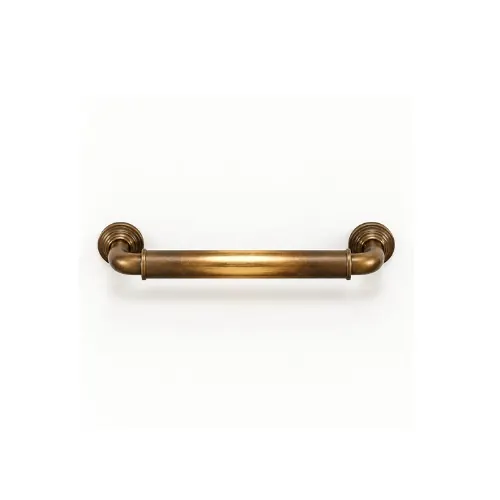
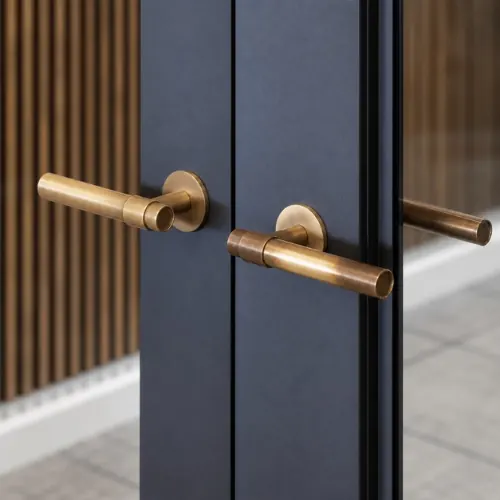
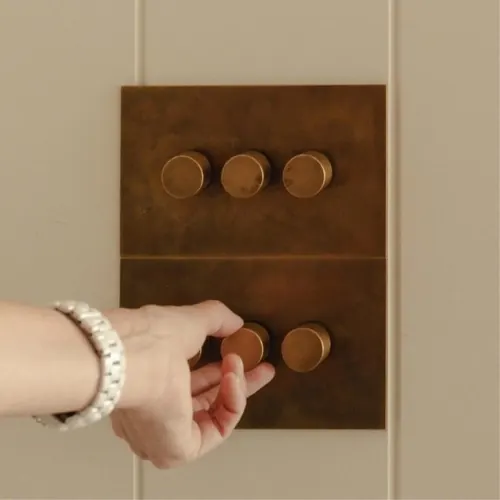
“Time creates the patina. Touch decides where it stays.”
 Wes · Co-Founder
04 · The Choice
Is it right for me?
Choose unlacquered brass if you like hardware that changes, and shows where it has been used.
Choose a lacquered or plated finish if you want it to stay close to how it arrived.
05 · The Maintenance
How do I care for it?
You decide how much it changes. On bright unlacquered brass, you can switch at any time.
- 01
Let it age
Dust with a soft, dry cloth. When it is dirty, use mild soap and water, then dry it straight away.
- 02
Wax it
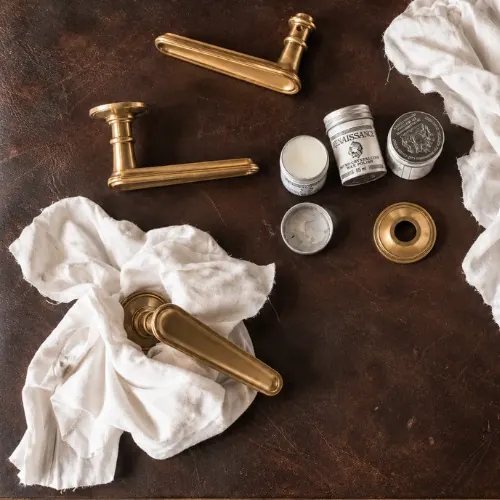
A thin coat of clear wax, such as Renaissance Wax, slows the patina. Wax often at first, then now and then.
- 03
Polish it
A gentle brass polish without ammonia takes it back to bright. On brushed brass, polish along the grain.
“Unlacquered brass forgives almost everything. Steel wool isn’t one of them.”
Brody · Showroom ManagerPut the polish on the cloth, never on the metal and wipe away any residue. Keep bleach, acid and ammonia away, and don’t leave water sitting on it. Never polish lacquered or plated brass. If you polish, polish every piece in the room so they still match. Check the maker’s care guide before polishing: some waxed or aged brass should not be polished.
Every maker’s care guide is a little different. Follow the one for your finish and contact us if you are not sure.
Common questions
My new unlacquered brass already has spots. Is it faulty?
No. Fingerprints and water marks show first on new brass, and they blend in as the whole surface darkens. For an even start, give it one polish if your maker allows it, then leave it alone.
Can I stop it from changing?
You can slow it with wax. You can stop it with lacquer, but then it is no longer a living finish. If you want it to stay as it arrived, choose a lacquered or plated finish from the start.
Will it turn green?
Rarely indoors. A green tinge can appear where water is left to sit, or outdoors in salt air. Wipe it dry; a brass polish removes it.
Can I speed it up?
It happens on its own with use. We do not recommend home aging tricks like vinegar or ammonia on new hardware: they tend to leave blotches. If you want the aged look from day one, choose a factory-aged finish.
Can lacquered brass be made unlacquered?
Often, yes. The lacquer can be stripped and the brass polished, and from then on it ages like a living finish. It is messy work and not every finish allows it, so ask us before you try.
Is patina covered by the warranty?
Patina is the finish doing what it is designed to do, so makers do not treat it as a defect. If something looks wrong beyond normal aging, bring it in and we will take a look.
Is “antique brass” a living finish?
It depends on the brand. Some antique finishes are unsealed and keep changing; others are lacquered. Each brand marks which is which. See them side by side in our Finish Gallery, or ask us in the showroom.