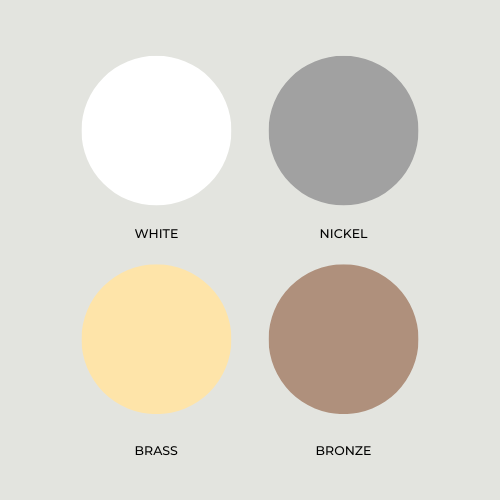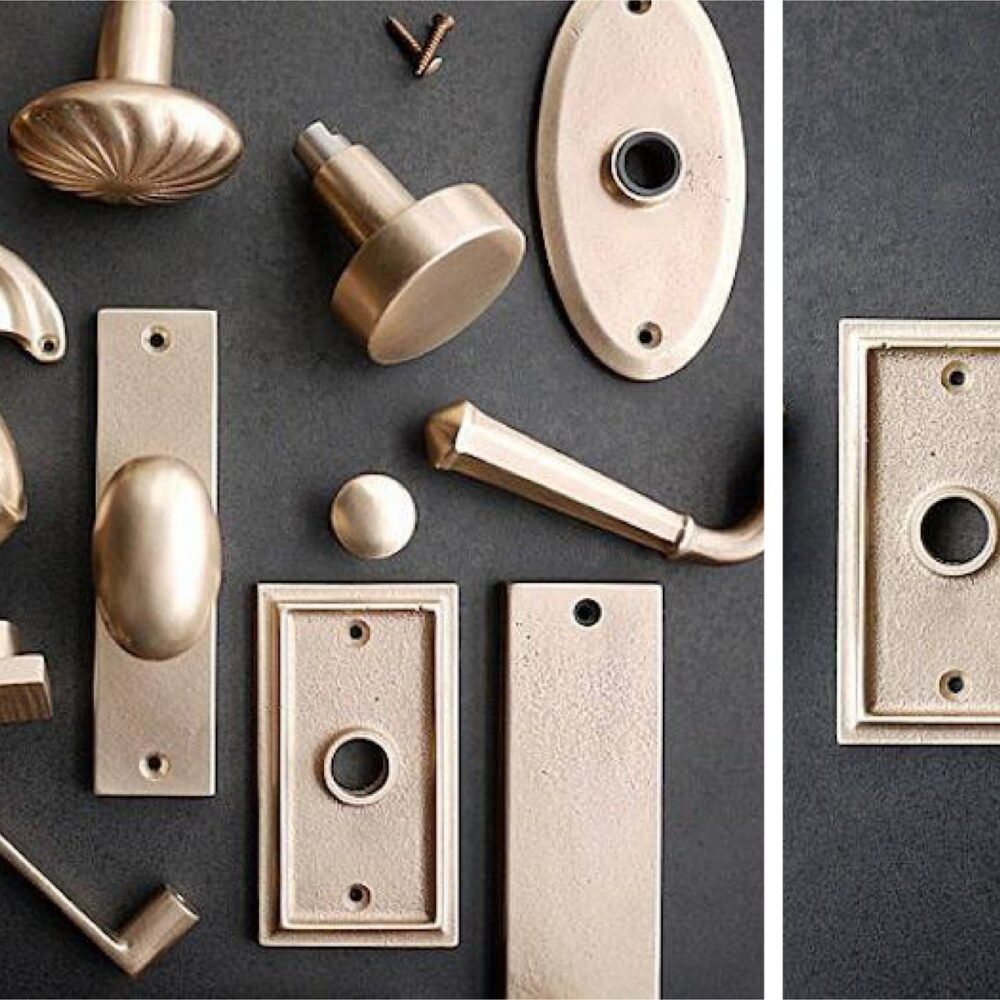

Finish Guide · Living Finishes
Solid Bronze
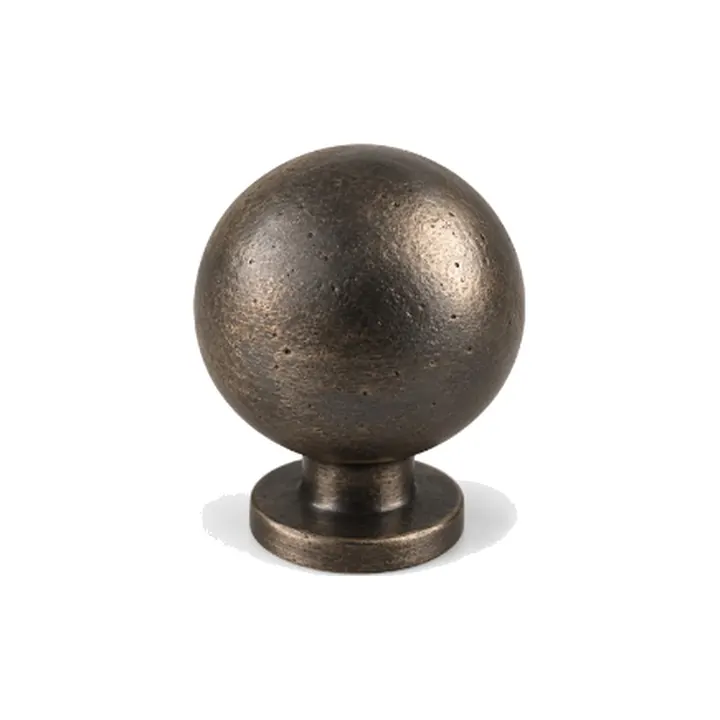
Why Solid Bronze Deepens, and Why That Is the Point
Bronze is a living finish, and a metal, not just a colour. People choose it for its weight, its depth and the way it wears in with use.
01 · The Metal
What is bronze?
Like brass, bronze is mostly copper. Brass adds zinc. Traditional bronze adds tin, and silicon bronze adds silicon. What the copper is mixed with sets its colour and character. Solid bronze hardware is made from that alloy and is the same all the way through.
Most bronze hardware is cast. Ingots are melted and poured by hand into a mould: packed sand for most shapes, or lost wax for the finest detail. Each piece is then cleaned and finished by hand, which is why no two are quite alike, and why cast bronze costs more.
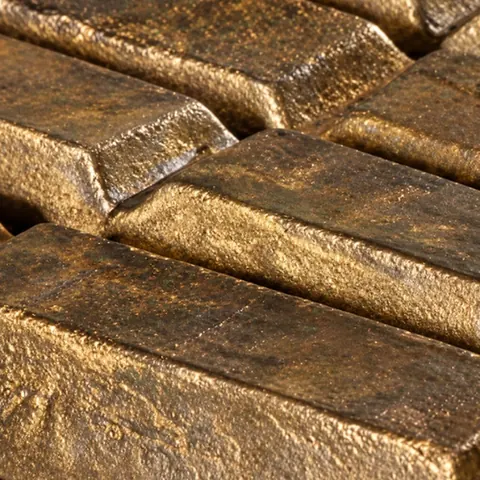
Solid bronze
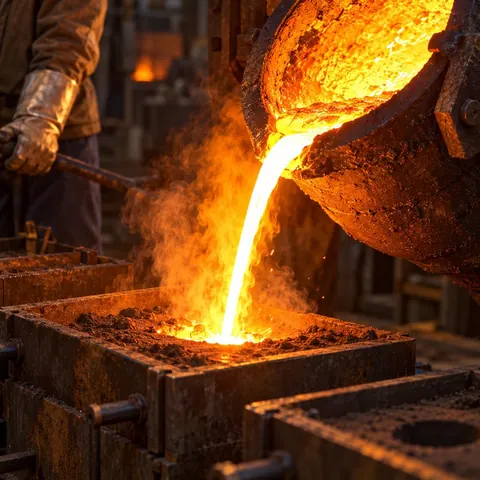
Poured into sand
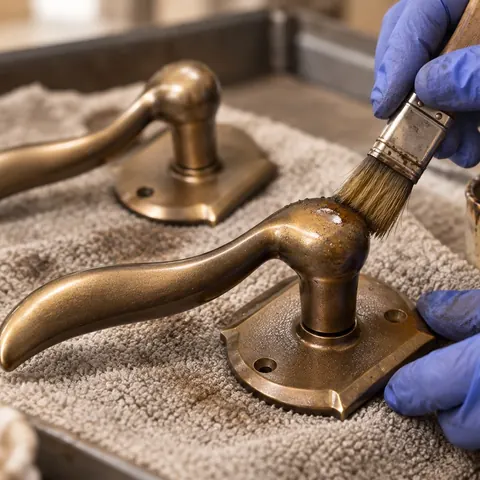
Patina by hand
02 · The Colour
Not all bronze is the same
Most bronze hardware comes in one of two alloys: silicon bronze or white bronze. The difference you notice is colour. One is warm, the other is cool.
The warm one
Silicon bronze
Mostly copper, with a little silicon for strength. A rich, coppery glow that deepens to chocolate brown. Pairs with warm woods, brass and natural stone.
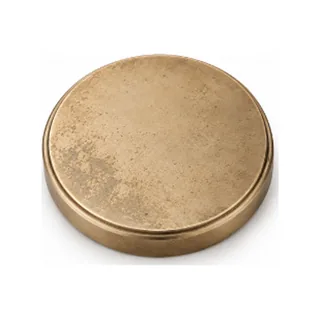
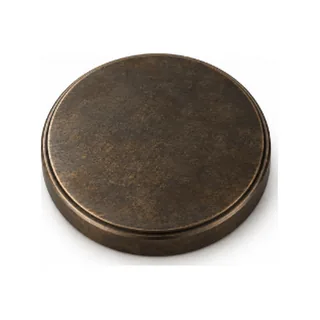
The cool one
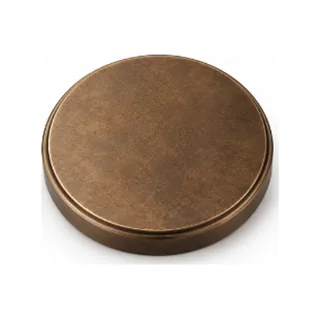
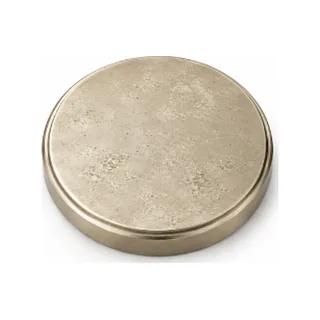
White bronze
Copper with nickel and manganese, for a soft pewter grey. Reads like aged silver, wears like bronze. Pairs with nickel, stainless steel, grey stone and painted cabinetry.
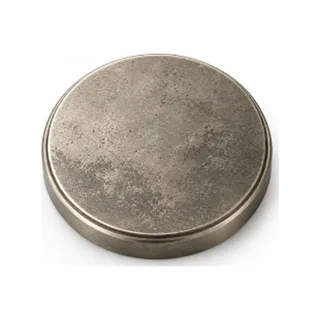
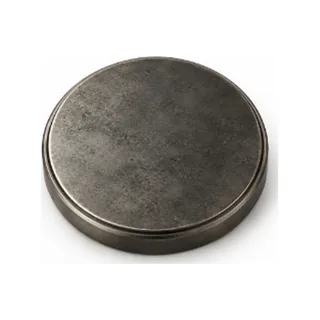
Makers also offer finishes that are darkened by hand at the foundry, from light to near black.
03 · The Patina
How does it age?
Solid bronze is a living finish. Most of it is left unsealed, so it reacts with air, moisture and hands, and slowly deepens toward brown. A finish that left the foundry already darkened keeps living too: handling wears it softly back on the high points, and the air keeps working on the rest.
Every piece changes at its own pace: the alloy, the finish, the air and how often it is used all play a part.
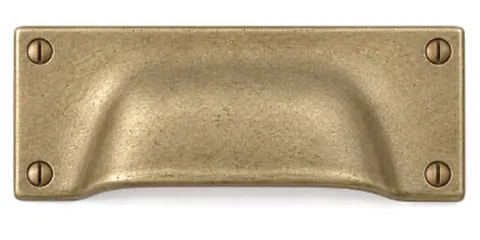
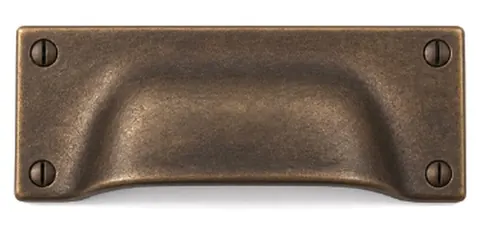
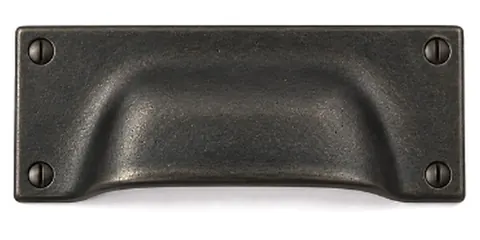
Illustration: how raw silicon bronze darkens on its own over time.
Where it changes most
| Interior | Exterior | |
|---|---|---|
| Light use | Least changeDeepens slowly all over. A guest room or cabinet. | More changeDeepens all over. A gate or garden door. |
| Heavy use | More changeSoftly worn where held. Kitchen and bath. | Most changeDark, with a worn grip. The front door. |
On the coast, from Vancouver to the Gulf Islands, salt air speeds it up.
Where hands go, the bronze comes back.
Try it
Same pull, same patina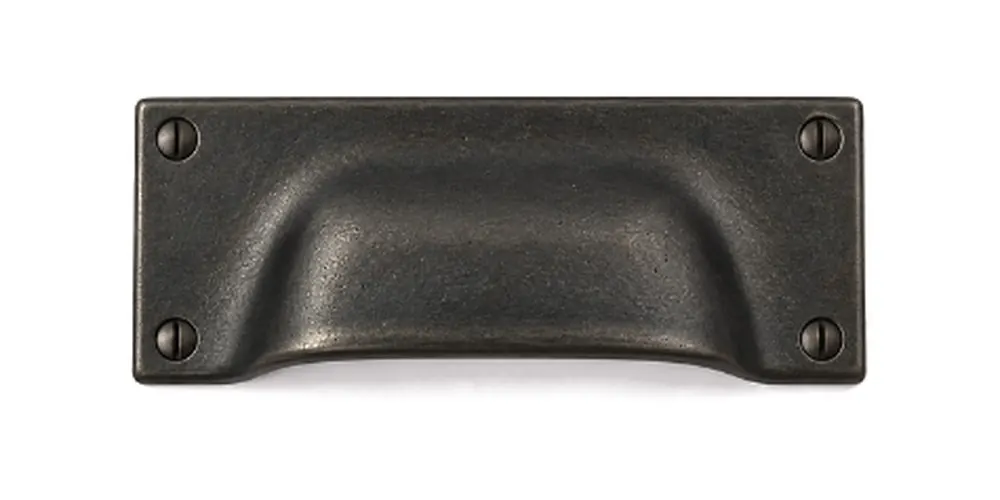
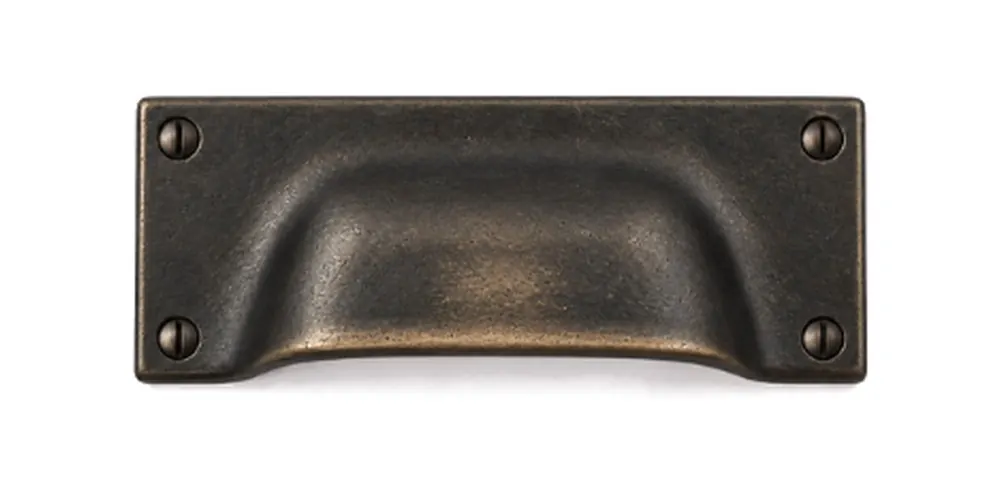
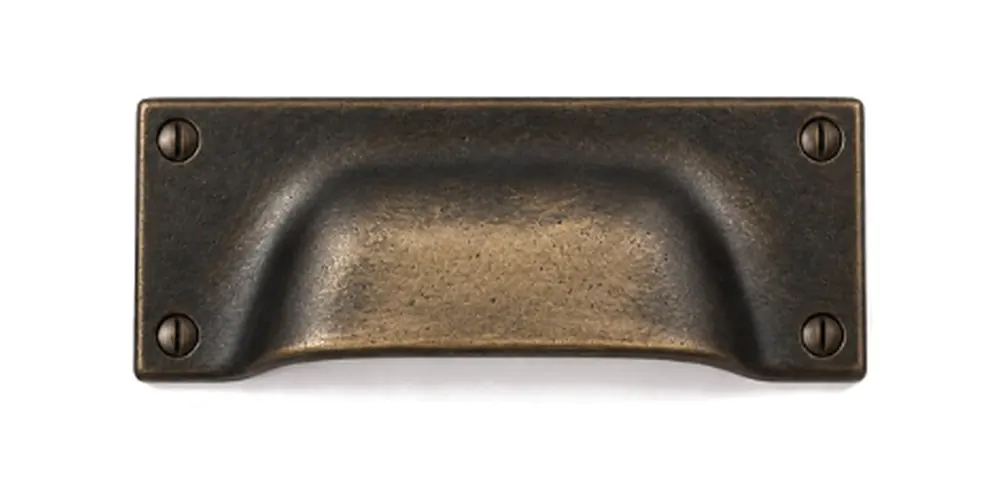
Illustration: everyday use wears the patina back to the golden bronze underneath.
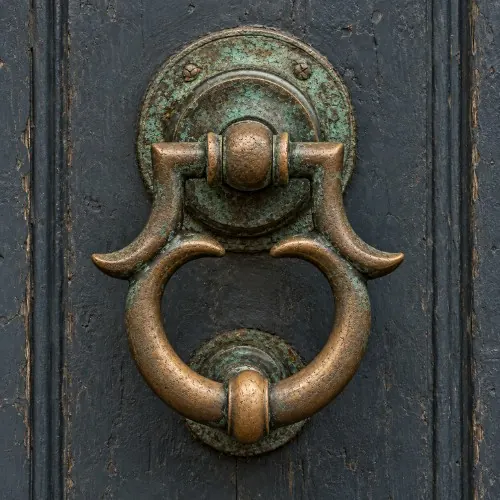
Outdoors
Will it go green?
Outdoors, rain and salt air can turn bronze a soft blue-green, called verdigris. It starts where water sits.
To keep it brown, dry it after rain and wax it now and then.
04 · The Options
Is it bronze, or a bronze colour?
Oil-rubbed bronze is a dark finish, not a metal. On quality hardware it’s usually applied over solid brass. On budget hardware it’s often over zinc. Solid bronze is the metal itself, the same all the way through.
On the first day they can look almost the same. The difference shows with use: oil-rubbed bronze can wear back to the metal underneath, while solid bronze simply deepens. The same goes for hardware sold as dark, aged or antique bronze: the name alone does not tell you which it is.
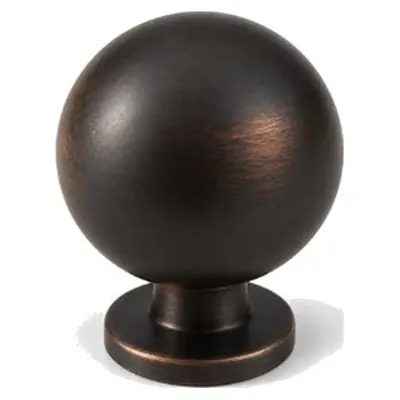
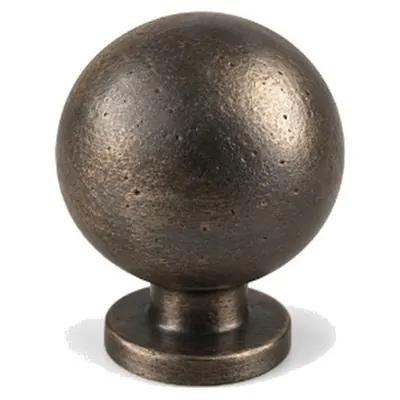
Not sure which you are buying? Look for “solid bronze” or “cast bronze” on the maker’s spec sheet, or ask our team. Solid bronze is also noticeably heavier. The Finish Gallery groups every brand’s finishes as living or sealed.
05 · The Choice
Is it right for my home?
Choose solid bronze for hardware that deepens over time and stands up to weather, from the kitchen to the front door.
Choose a sealed bronze-coloured finish, like PVD bronze, if you want the colour without the change.
06 · The Maintenance
How do I care for it?
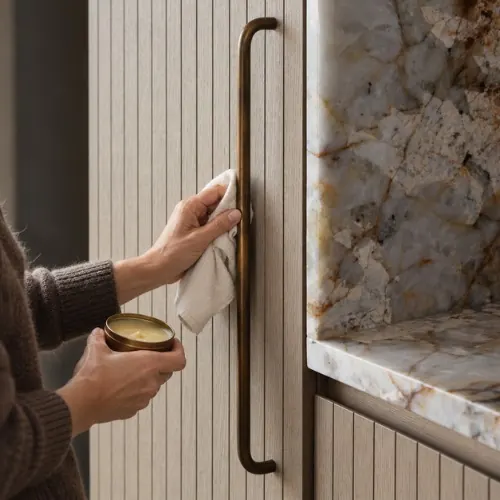
Bronze hardware asks for very little. Nothing will stop it changing. Care is about keeping it clean and choosing how much to slow it down.
- 01
Let it age
Dust with a soft, dry cloth. When it is dirty, use mild soap and water, then dry it straight away. Avoid scouring pads and abrasive cleaners.
- 02
Wax it
A clear paste wax adds a little protection. Many makers recommend it and some specify which wax to use.
- 03
Polish it
Only polished, brushed or light finishes. A dark applied patina should never be polished.
Every maker’s care guide is a little different. Follow the one for your finish and contact us if you are not sure.
“Bronze was made to be handled. Let your hands do the polishing.”
 Simone · Co-Founder
Common questions
My dark bronze is wearing lighter. Is that normal?
Yes. A dark finish is often an applied patina. Where hands touch it most, it wears softly back toward the metal underneath. That is part of how bronze lives.
Does bronze age evenly?
No, and it is not meant to. The parts that are touched, wet or in the sun change differently from the rest. Two pieces from the same order will drift apart in different rooms.
Can I make dark bronze bright again?
Not easily. Polishing a dark applied patina removes it and leaves a patchy surface. If you want a lighter look, choose a light or burnished finish from the start.
Is bronze good for a home near the ocean?
It is one of the better choices, as long as you expect it to change. Salt air darkens it faster and can bring out green. Rinse and dry exterior pieces now and then.
Should I order a sample?
For bronze, yes. Hand-applied patinas vary from batch to batch. A sample, or a visit to the showroom, shows you the real colour in your own light.
Does the warranty cover patina?
Change is expected on a living finish, so it is not counted as a fault. Each brand words its warranty differently, so check before you buy, and bring anything unusual to us.