
Finish Guide
Lacquered Finishes
Why Lacquered Hardware Stays Close to How It Arrived, and How Long It Lasts
Not every finish is meant to change. Lacquer seals the metal under a clear protective coat, so your hardware stays close to how it arrived.
01 · The Seal
What is a sealed finish?
Unlacquered brass and solid bronze are living finishes. Nothing stands between the metal and the air, so they darken and wear with time. A sealed finish adds a protective layer on top. Air and hands reach the layer, not the metal, so the colour holds.
Lacquer is the most common sealed finish, and the one most of our hardware arrives in.
02 · The Lacquer
What is lacquer?
Lacquer is a thin, clear coat baked onto the finished metal, most often brass. Whatever colour the brass leaves the maker in is the colour it keeps.
See every brand’s version in our Finish Gallery
That is how an aged look can stay put. Some antique and bronzed brass finishes are darkened at the factory and then lacquered, so they look aged on day one and stay that way. Others are left unlacquered and keep aging.
The lacquer is clear. It seals the finish; it does not paint it.
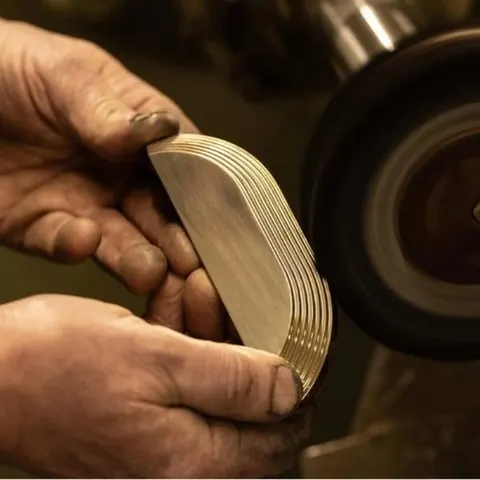
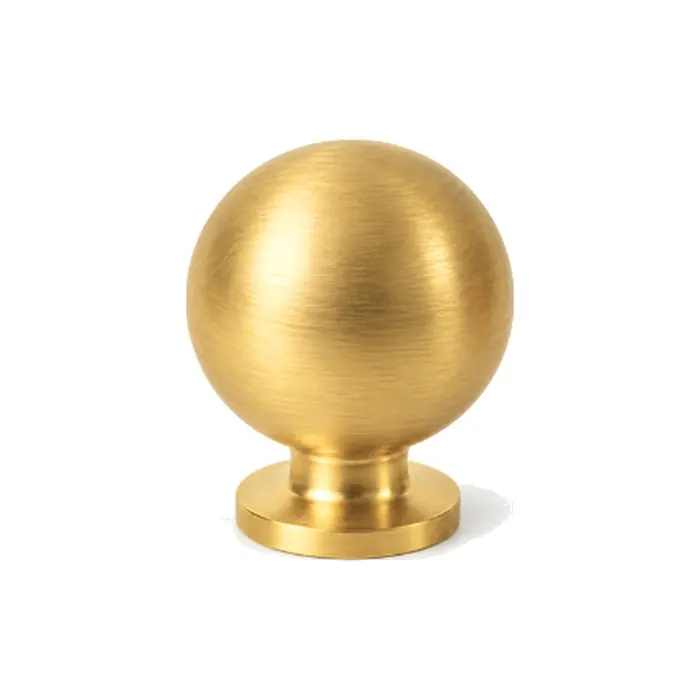
Polished or brushed
Image: Armac Martin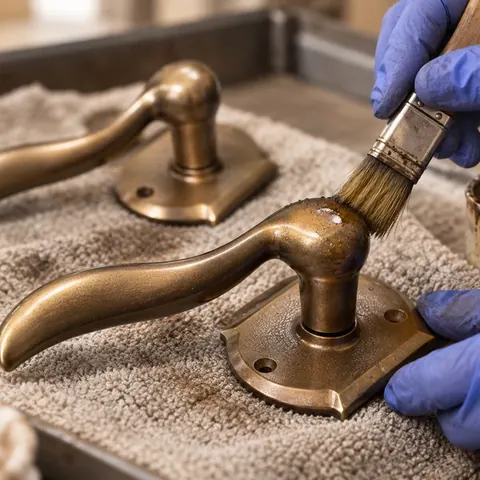
Darkened by hand
Antique finishes only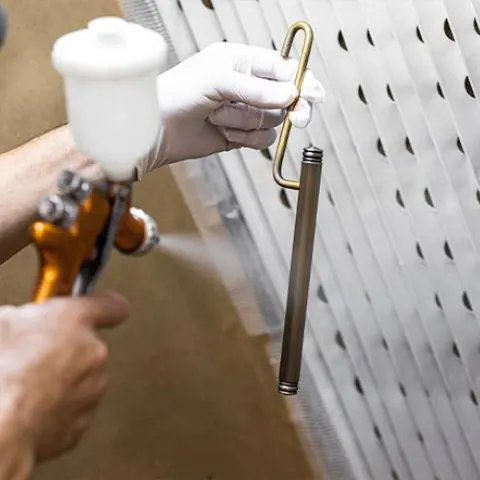
Clear lacquer, sprayed on
The metal is what you are buying. A finish is only a thin layer. The metal underneath gives a piece its weight and strength, and it is what shows if the lacquer ever wears.
Where the colour comes from
Every finish gets its colour in one of three ways. The lacquer on top is clear, so it keeps whichever colour is underneath.
| How | Finishes | What happens |
|---|---|---|
| The metal itself | Polished brass, satin brass | The brass is polished bright or brushed to a soft satin. Nothing is added. |
| A patina | Antique brass, oil-rubbed bronze, dark bronze | The brass is darkened with a chemical patina, then often rubbed back on the edges by hand so lighter metal shows through. |
| Plating | Polished nickel, satin nickel, chrome | A thin layer of nickel or chrome is bonded to the brass, then polished bright or brushed to satin. |
Black finishes can be made either way: a darkening patina or a black coating, depending on the maker. PVD, covered below, is a separate process.
The finishes, side by side
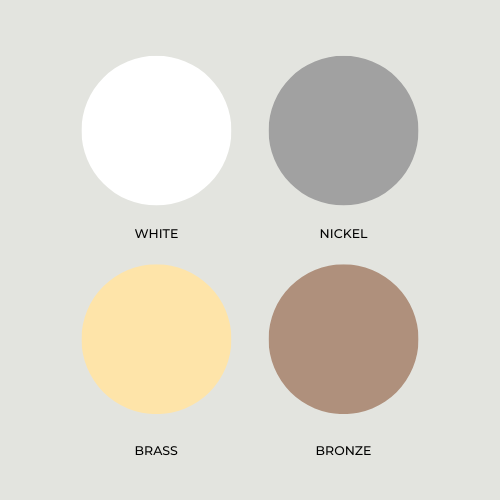
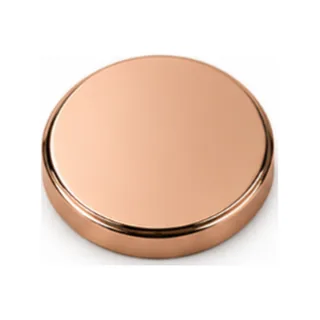
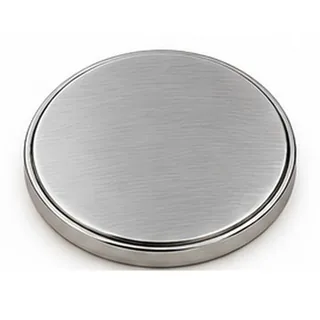
The same disc in each finish, in the same light. Most of these are lacquered.
Brass
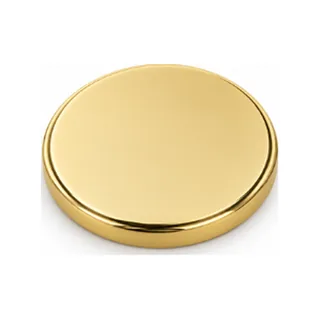
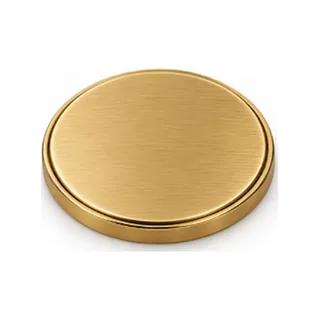
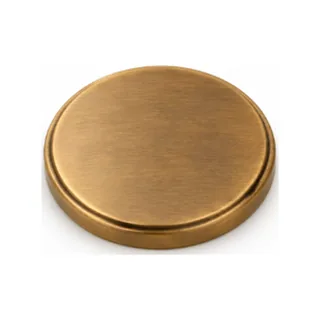
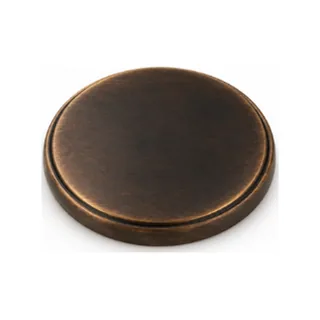
Brass, plated
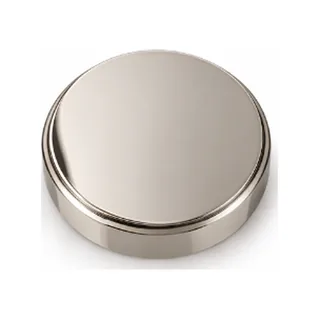
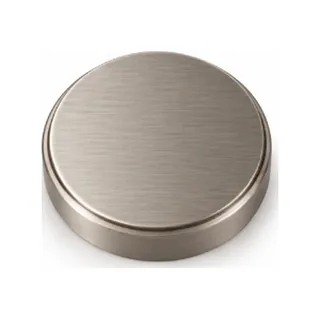
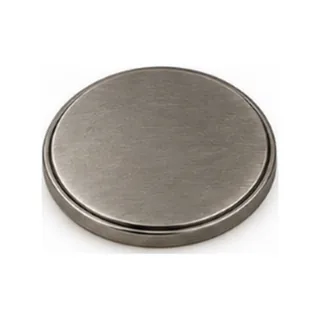
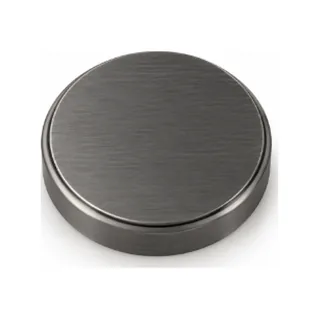
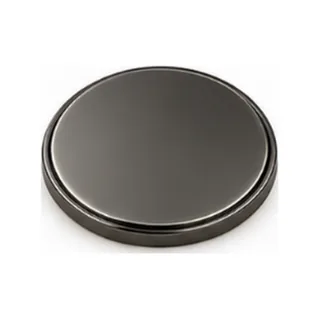
Bronze
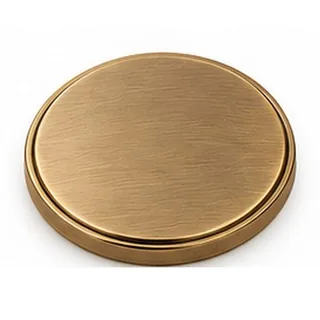
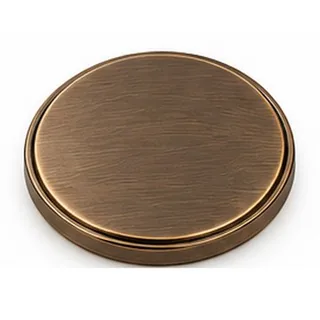
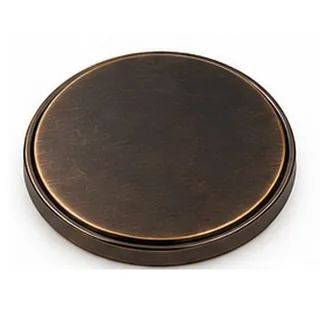
Copper & steel
Polished or brushed?
Lacquer seals whatever surface is underneath, so the same brass can arrive two ways.
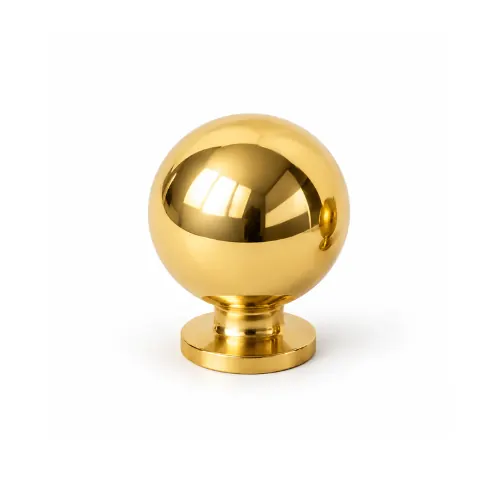
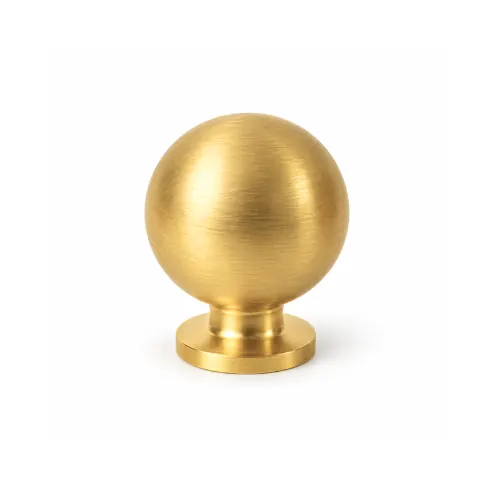
Polished reflects light and reads classic and formal. It shows fingerprints more.
Brushed, often called satin, is rubbed with a fine abrasive so it catches light softly. It hides fingerprints and small marks, which makes it a good choice for busy kitchens and front doors.
03 · The Wear
How does lacquer wear?
Indoors, on hardware that is used gently, lacquer holds well. It is not forever. Where hands grip hardest, the coat slowly wears thin or chips, and the brass underneath starts to age in those spots.
Front doors, kitchen pulls and bathroom hardware wear first. A cabinet knob in a guest room barely changes at all.
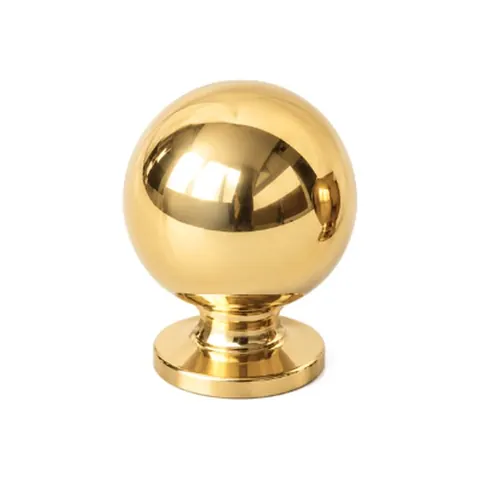
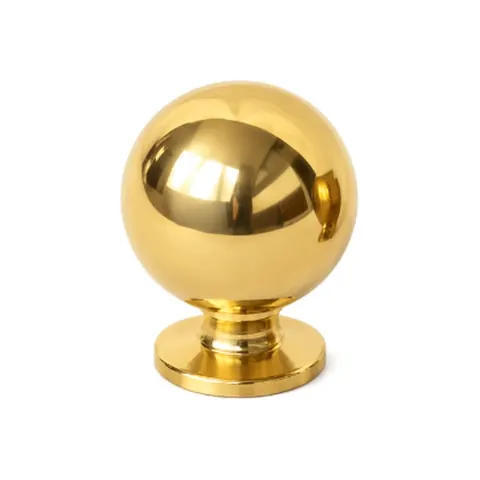
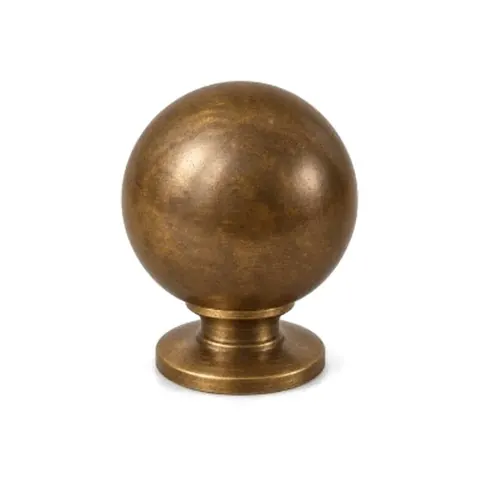
They look the same when you buy them. Only time tells them apart.
And when lacquer does wear, it wears where hands go.
- 01
New
Even and bright
- 02
Worn
Dull where it is held
- 03
Worn through
Brass ages in spots
What then? Lacquer cannot be touched up or polished. A refinisher can strip and recoat it, or you can let it become a living finish and age evenly over time.
04 · The Plating
Not lacquer, but also sealed
Plated: nickel and chrome
Polished nickel, satin nickel and chrome are plated finishes: a thin layer of metal bonded to solid brass.
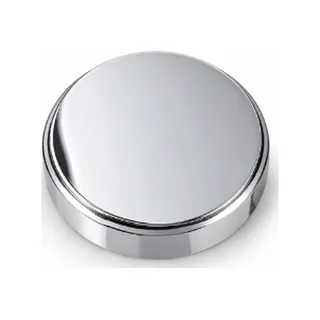
PVD: a different metal underneath
Most PVD hardware starts as stainless steel, not brass. A very thin, very hard layer of colour is bonded to the steel in a vacuum chamber.
That changes the character. The colour is even and slightly cooler, and the piece feels crisper and more architectural than cast brass. It resists weather, salt air and the acid from hands, so it suits exterior and coastal doors. It cannot be refinished, and it barely changes.
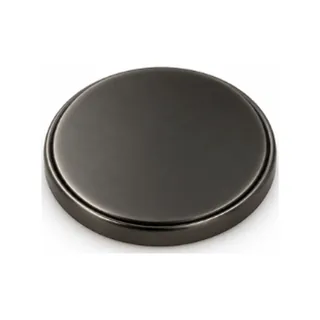
PVD colours: the look of brass, nickel or bronze, on stainless steel.
05 · The Choice
Which is right for my home?
Choose lacquer for hardware that stays close to how it arrived, almost anywhere in the home.
Choose a living finish, like unlacquered brass or solid bronze, if you want hardware that changes with you.
Ask us about PVD for a coastal front door or anywhere the finish will take a beating.
06 · The Maintenance
How do I care for it?
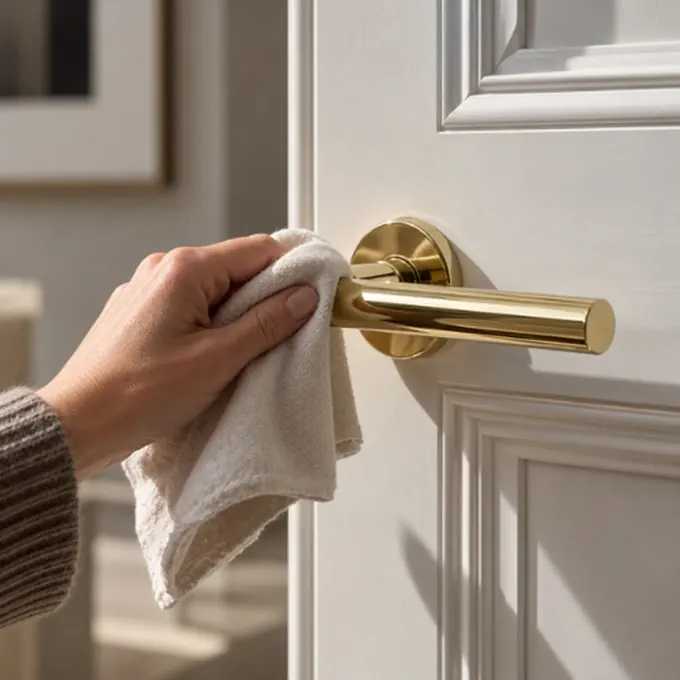
Lacquer asks the least of you. The goal is to protect the coat, not the metal underneath.
- 01
Clean it
Dust with a soft, dry cloth. When it is dirty, use mild soap and water, then dry it straight away.
- 02
Never polish lacquer
Metal polish strips the coat and leaves the brass patchy. Some plated nickel and chrome can take a gentle polish, so check the maker’s guide.
- 03
Skip the abrasives
Use a soft, lint-free cloth. No scouring pads, steel wool or harsh cleaners. A scratch in the coat cannot be undone.
Every maker’s care guide is a little different. Follow the one for your finish, and ask us if you are not sure.
Common questions
Is my hardware lacquered?
Many polished and satin brass finishes are. If the name says unlacquered or living, it is not. The maker’s spec sheet, or our team, can tell you.
Why is my lacquered hardware getting dark spots?
The coat has worn or chipped, and the brass underneath has started to age. A refinisher can strip and recoat it, or you can let it become a living finish.
Can lacquered brass be made to age?
Yes. Once the lacquer is stripped, the brass becomes a living finish. We don’t recommend doing it at home, so ask us first.
Can I polish lacquered brass?
No. Polish removes the lacquer unevenly and leaves the finish patchy. A damp cloth with mild soap is all it needs.
Will lacquered and unlacquered brass match?
On day one, closely. Over time the unlacquered pieces will deepen and the lacquered ones won’t, so it is best to keep each room to one or the other.
Does the warranty cover worn lacquer?
Each maker words it differently. Normal wear from use is usually not a fault, so check the brand’s warranty, and bring anything unusual to us.