
Cabinet Hardware
A Guide to Cabinet Hardware
A Step-by-Step Guide for Homeowners & Designers
Placement
Cabinet Hardware Placement Guide
Practical guidelines for positioning knobs and pulls with precision and consistency.

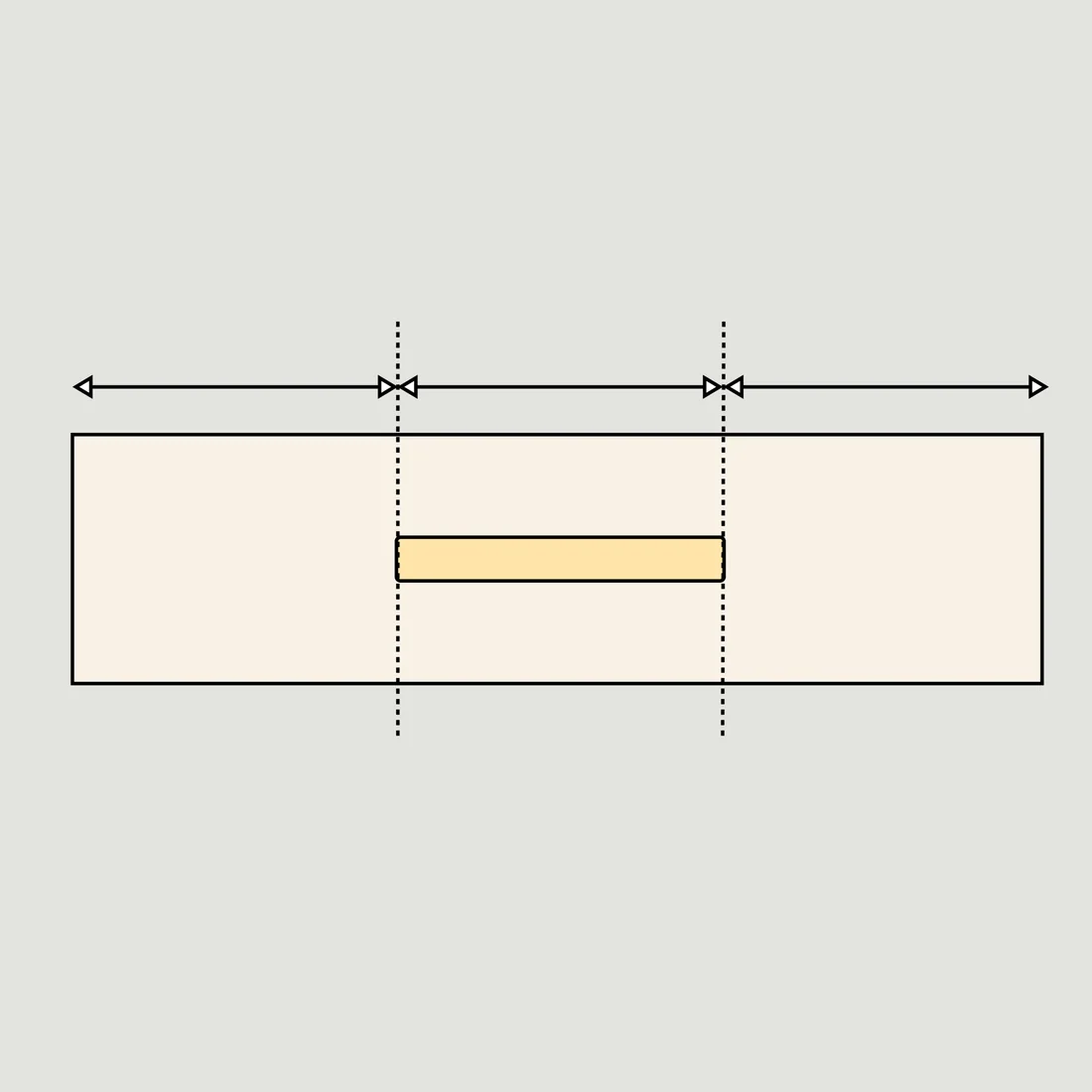
Rule of Thirds
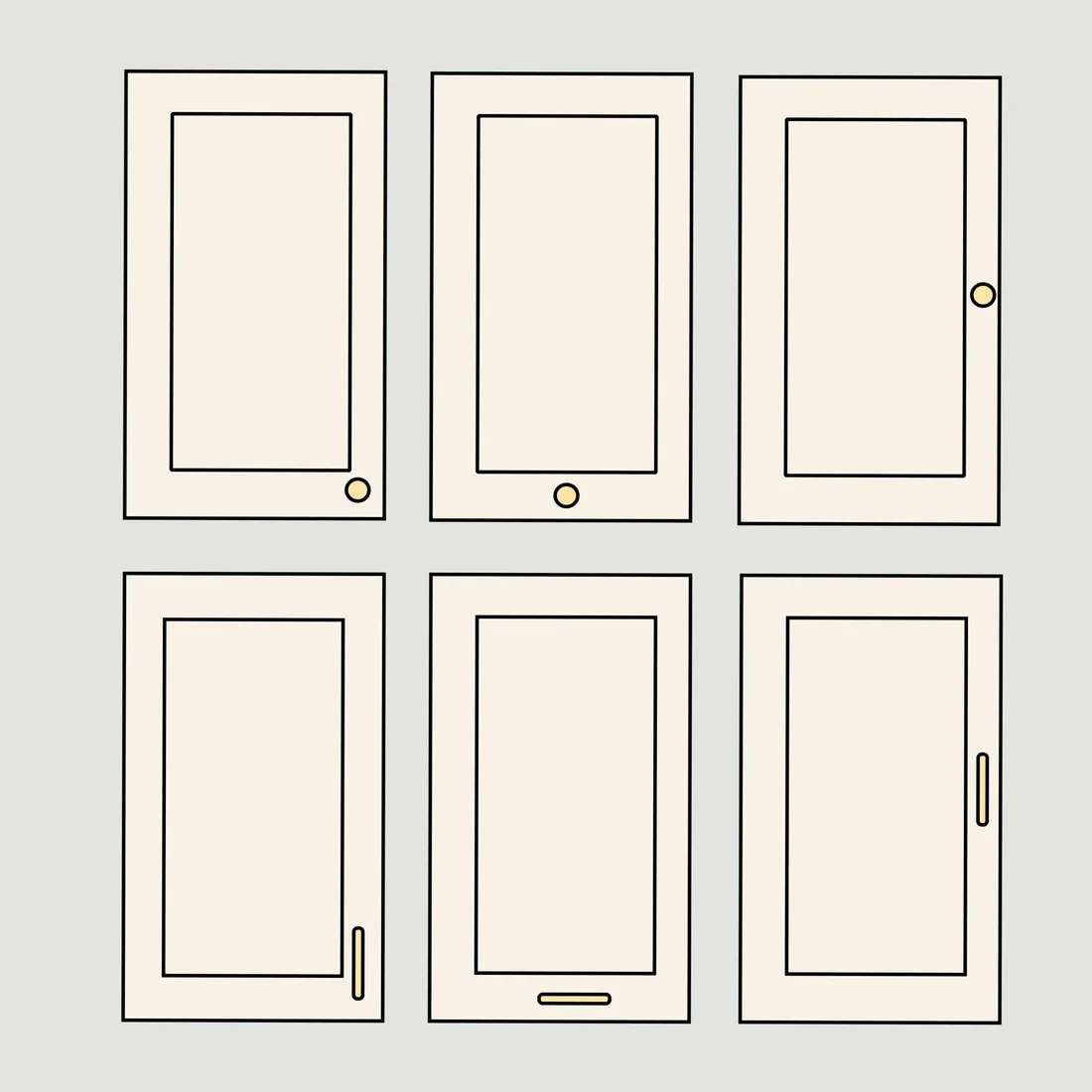
Center pulls along the lower third line for visual balance.
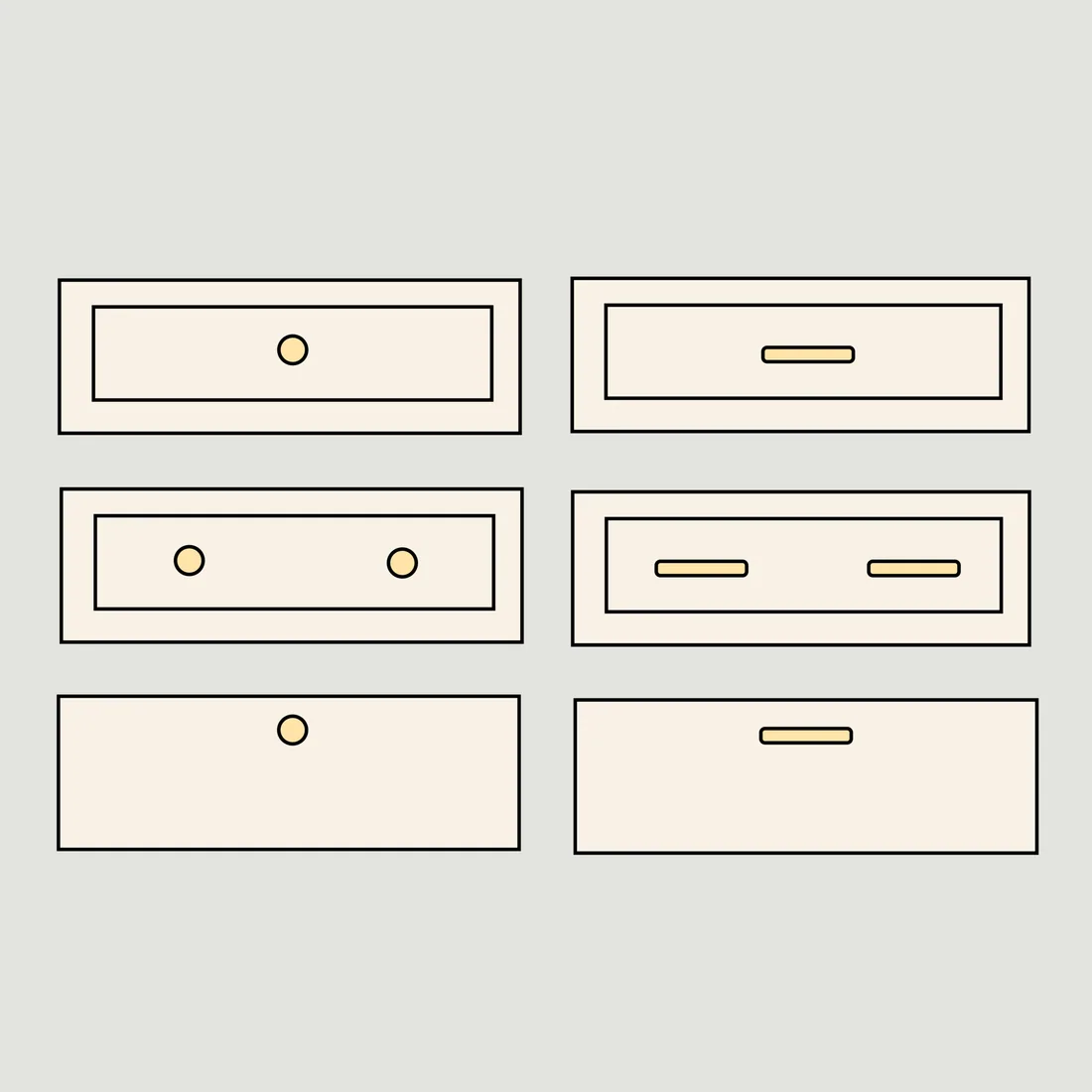
Drawer Placement
Hardware centers horizontally on the drawer face — knob or pull, regardless of width.
Door Placement
Knobs sit near the corner opposite the hinge; pulls run vertically, centered on the stile.
Replacing Existing Hardware
Replacing cabinet hardware is one of the simplest upgrades — but small details make a big difference.
Pro tip
Filling and refinishing first often produces a more intentional result — and opens up the full range of hardware options.
Measure the center to center
Measure from the center of one screw hole to the center of the other. This measurement determines the correct replacement size. Pulls are available in both metric and imperial sizes. Common metric sizes include: 96mm · 128mm · 160mm · 192mm · 224mm.
Check for compression marks
Some knobs and pulls leave visible indentations where the base presses into the cabinet surface. Before installing new hardware, inspect for damage. Confirm the new bases will cover any existing marks.
Knob or pull?
Knobs require one hole; pulls require two. If switching between them, you’ll need to fill and refinish the old holes — or choose hardware with a base plate large enough to cover them.
Consistency
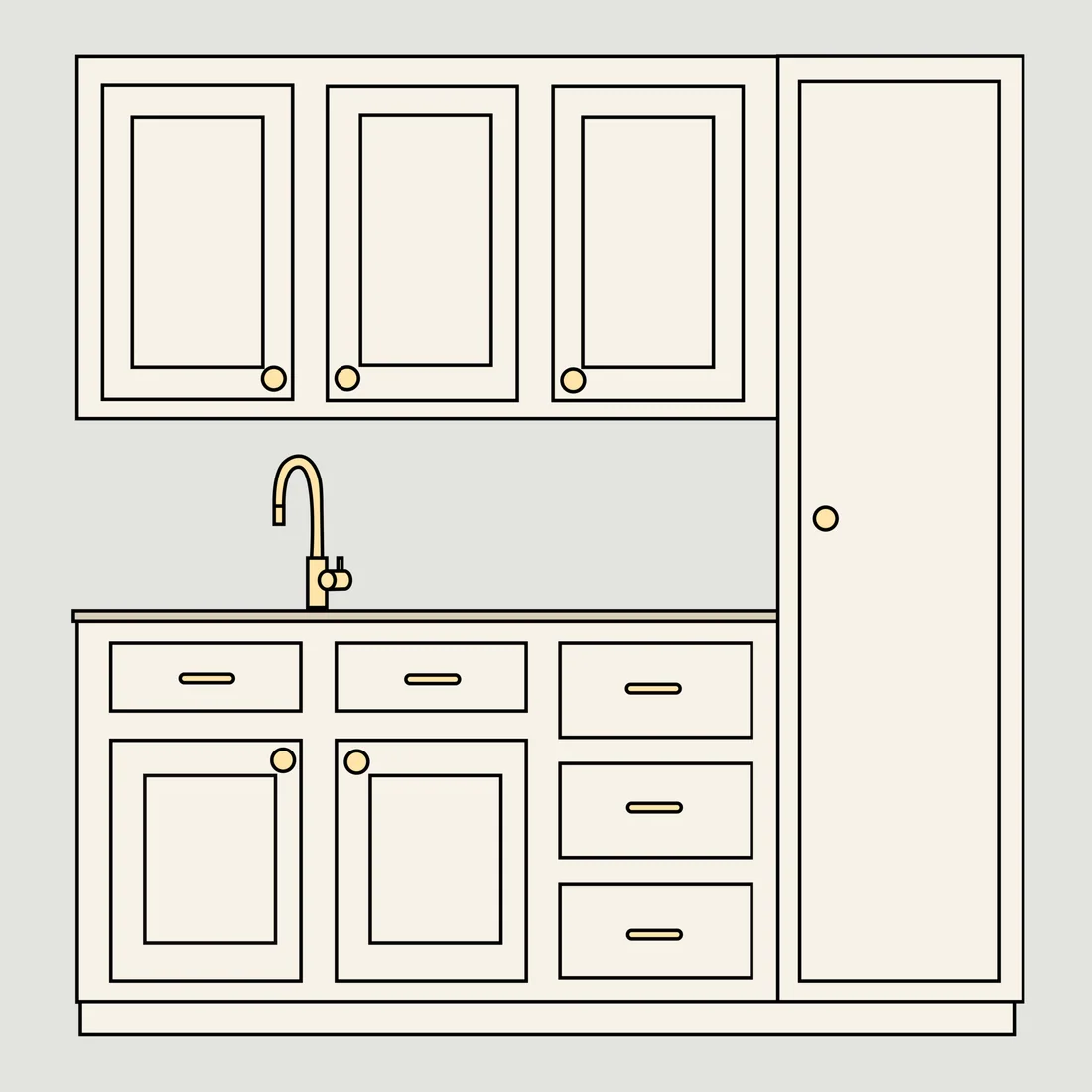
Establish a Rule. Maintain Consistency Across the Elevation.
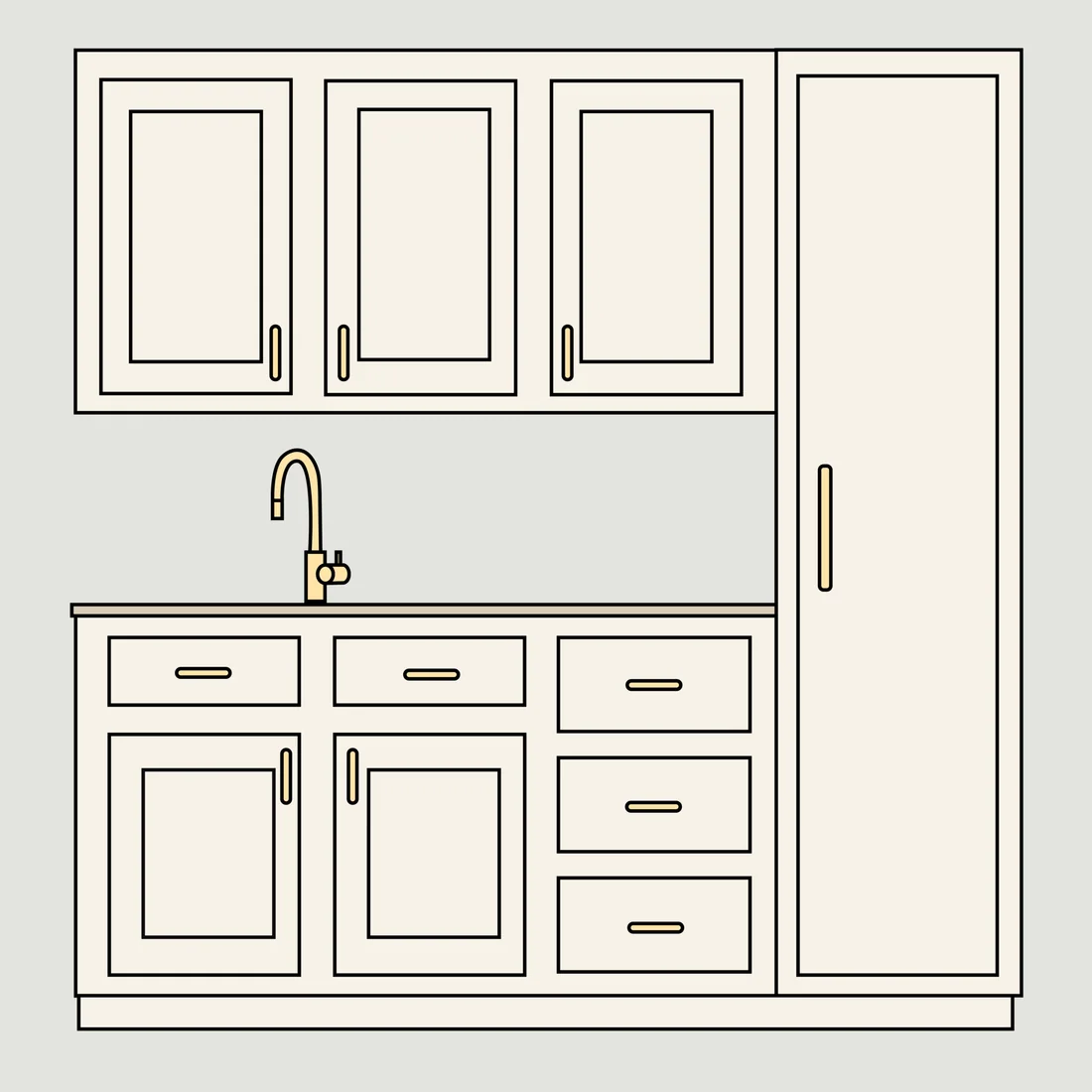
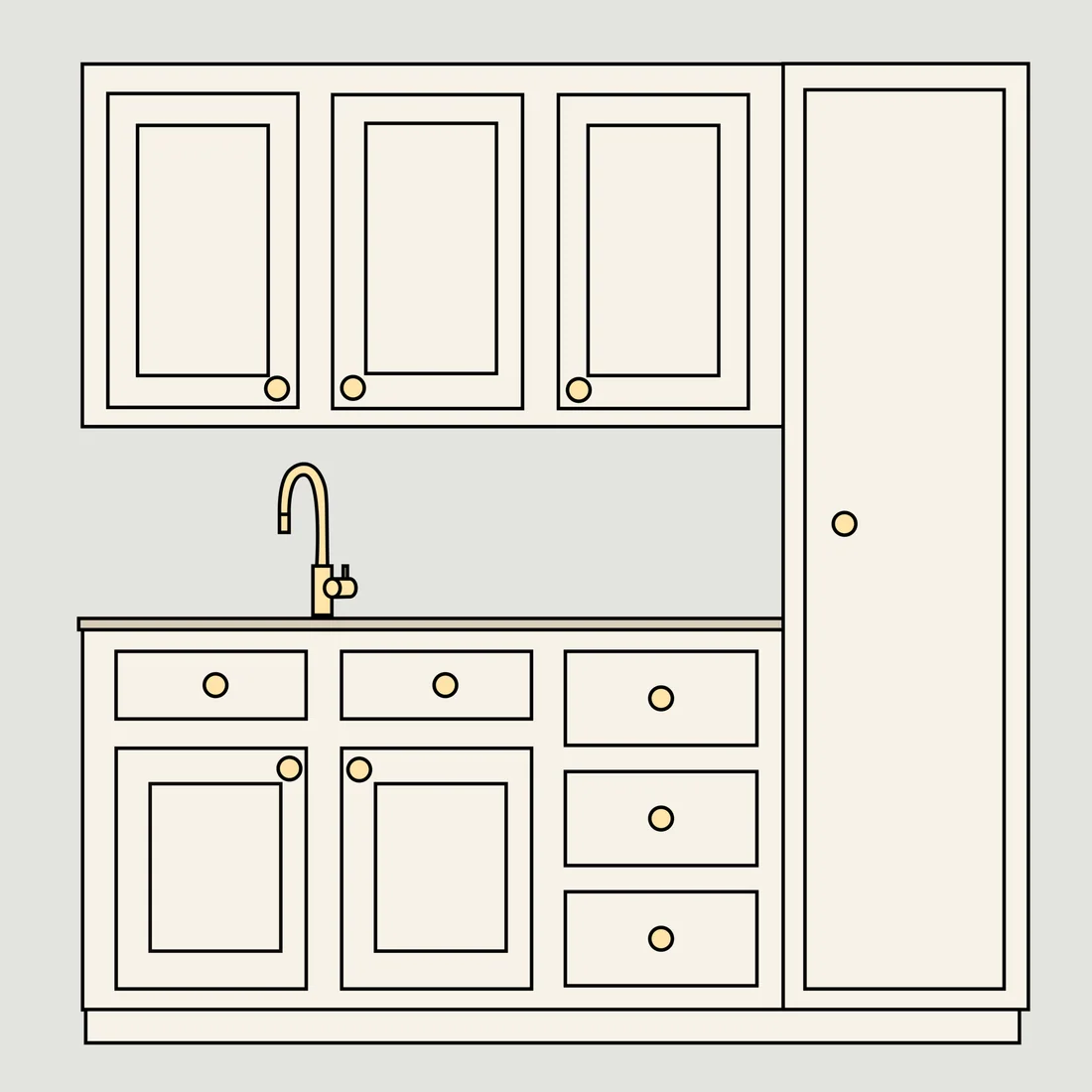
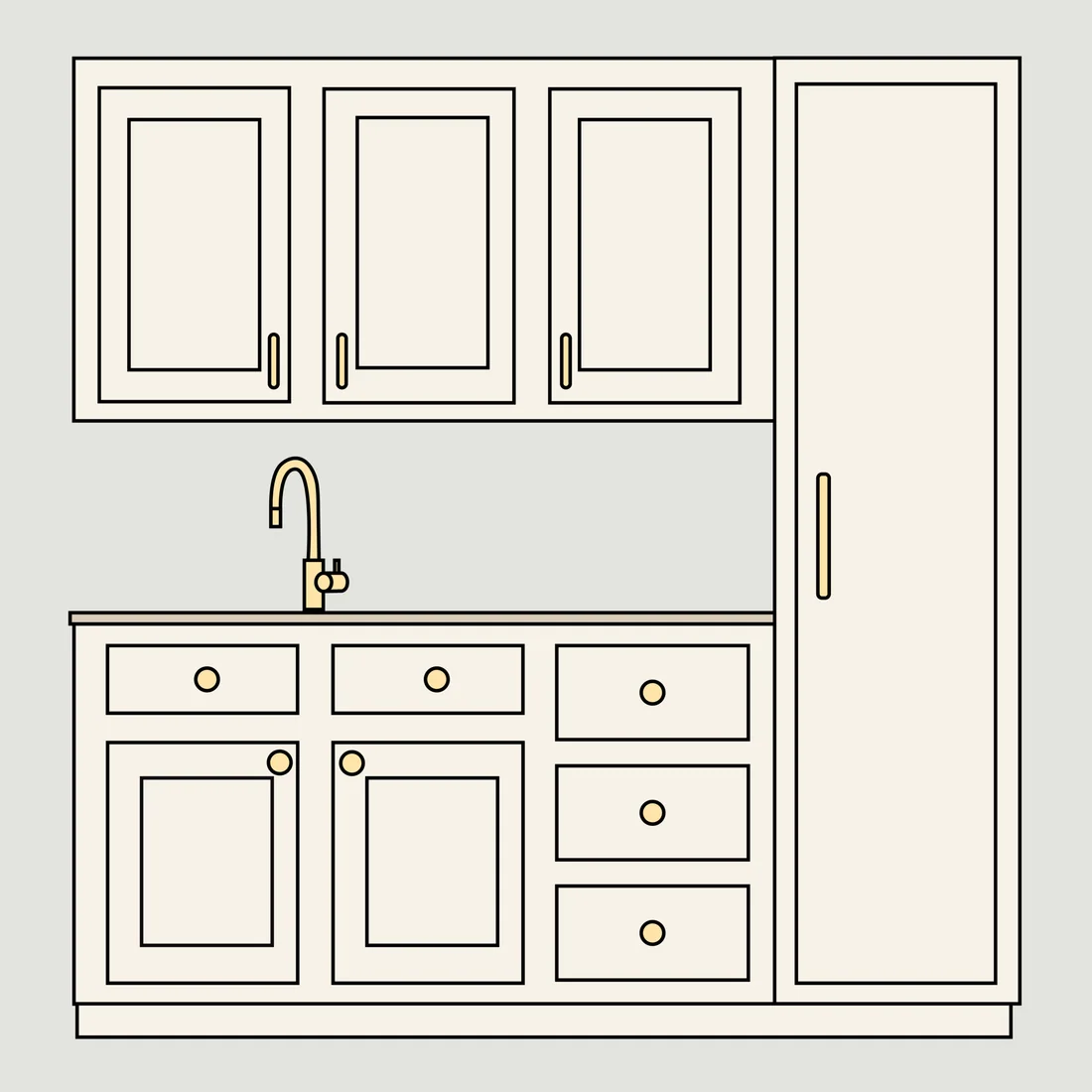
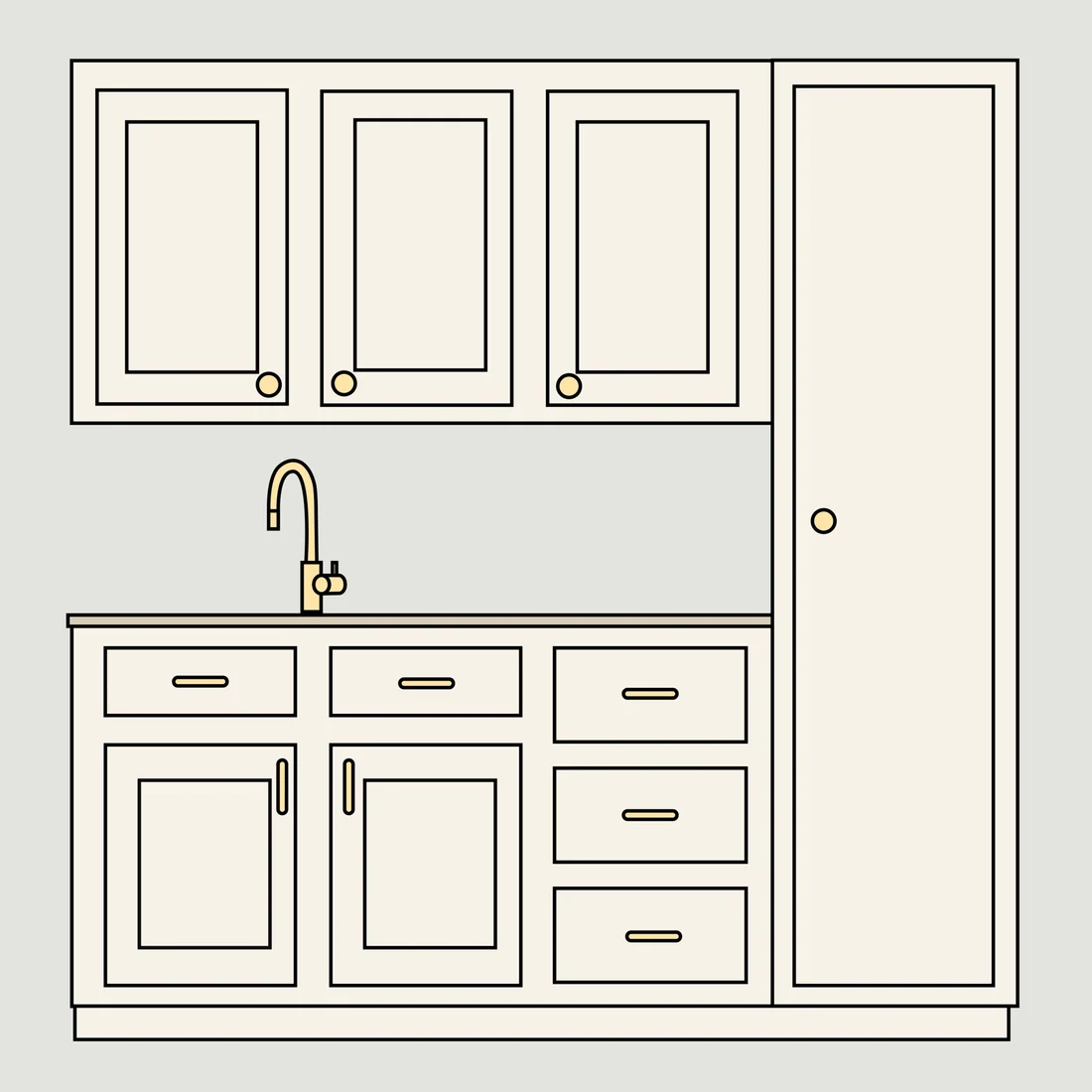
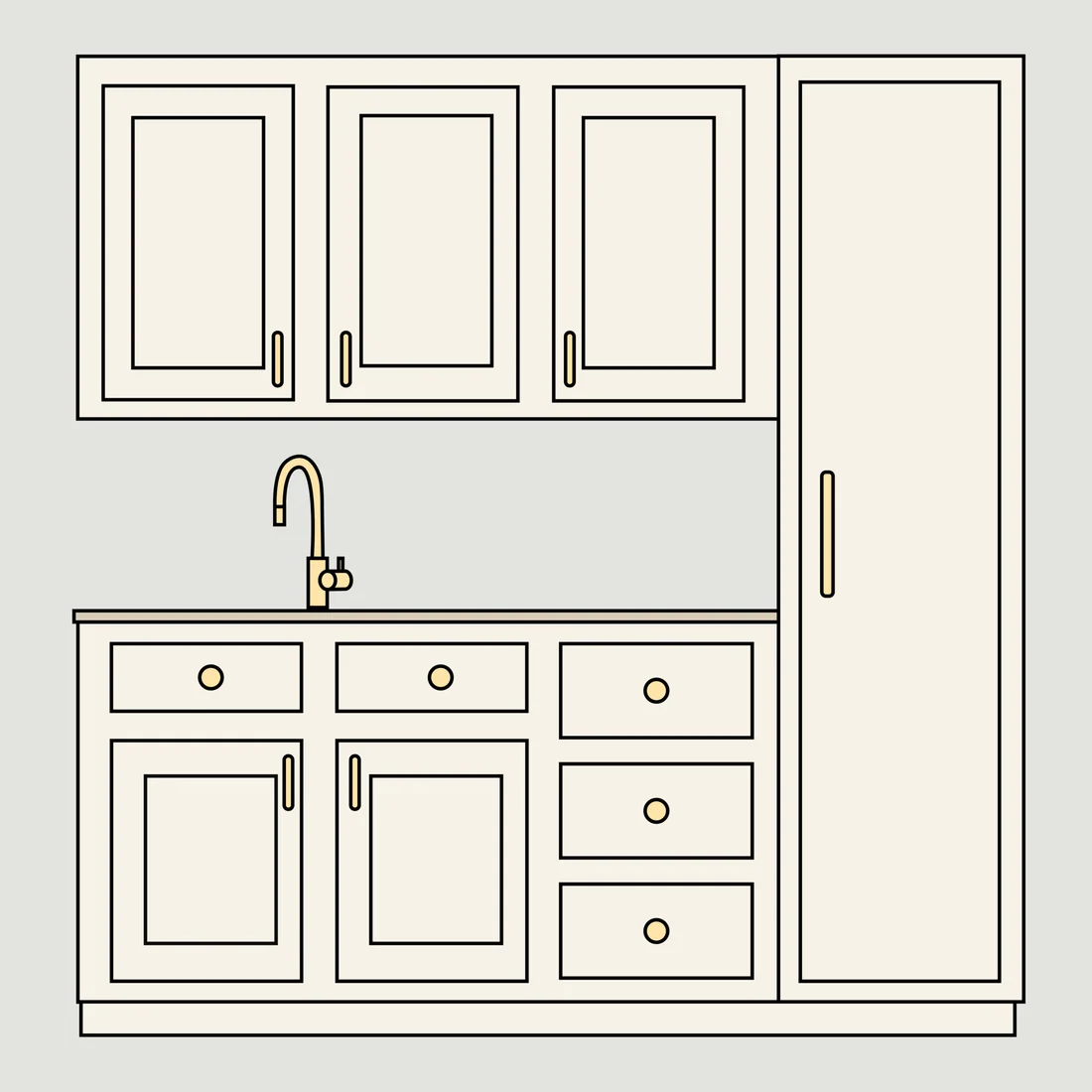
Mixing hardware styles without a clear system can disrupt visual balance. Choose a placement rule and carry it through the entire kitchen.
Unified
The most restrained approach. One hardware type throughout — reads traditional in knobs, contemporary in pulls.

Pulls Throughout

Knobs Throughout
Split by level
Subtly grounds the base cabinets. The most forgiving option across kitchen sizes and styles.

Pulls above, knobs below

Knobs above, pulls below
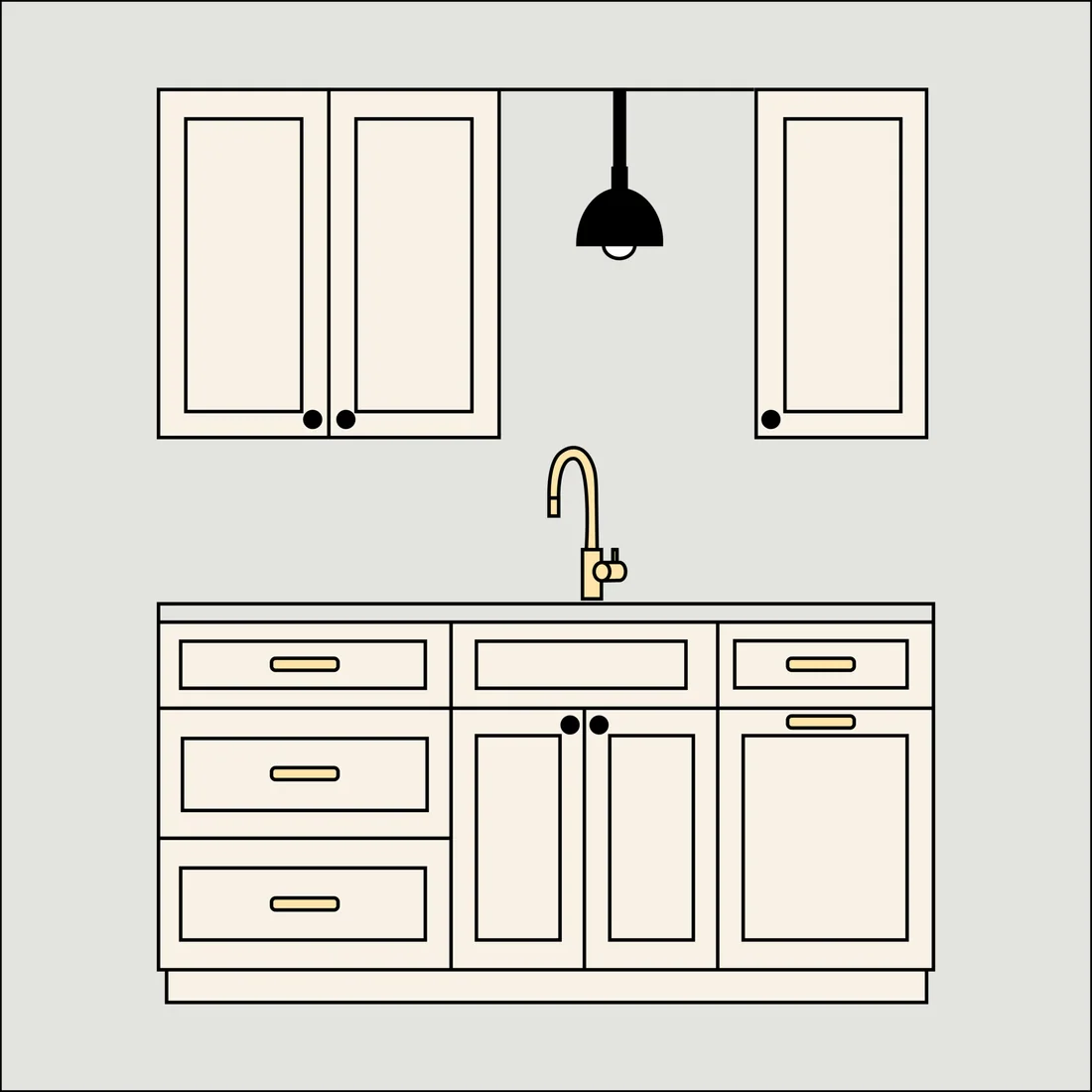
Split by element
The most intentional. Works best in larger kitchens where the contrast reads as considered, not busy.

Knobs on drawers, pulls on doors

Pulls on drawers, knobs on doors
On Mixing Metals
Kitchens, bathrooms, and every room in between — mixing metals has become one of design’s most confident moves. One simple rule keeps it looking intentional.
Pick your anchor. Hold the line.
Choose one category to stay consistent across the room — all cabinet and door hardware, or all plumbing and lighting fixtures. That becomes your anchor. The other category is free to bring a contrasting metal. One anchor, one accent — carried through the whole space.
Cabinet Hardware
Types of Cabinet Hardware
From classic knobs to bar, cup, and appliance pulls — the building blocks of any cabinetry scheme.

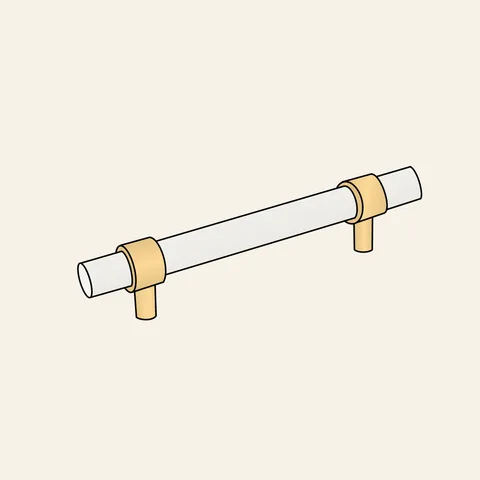
Glass Acrylic Pull
A pull with a clear center and metal mounts.

Side By Side Pulls
Two pulls mounted parallel on the same drawer or door.
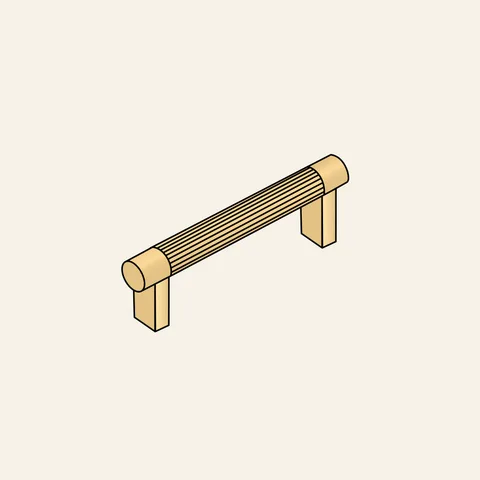
Textured Pull
A pull with a patterned surface for added grip.

Wire Pull
A thin metal pull formed from bent wire.

Appliance Pull
An oversized pull designed for heavy appliances.

Arched Pull
A curved pull mounted with two posts.

Backplate
A plate mounted behind a pull for protection or style.
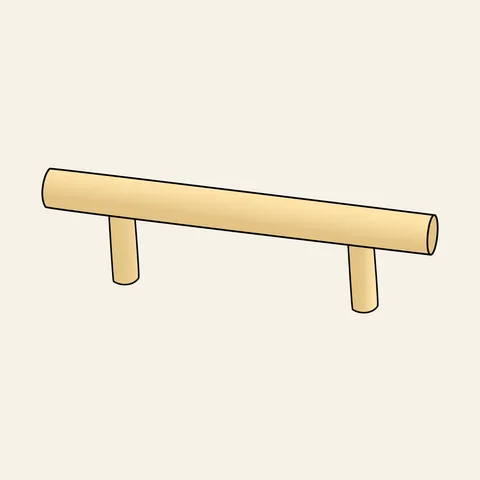
Bar Pull
A straight pull with two mounting posts.
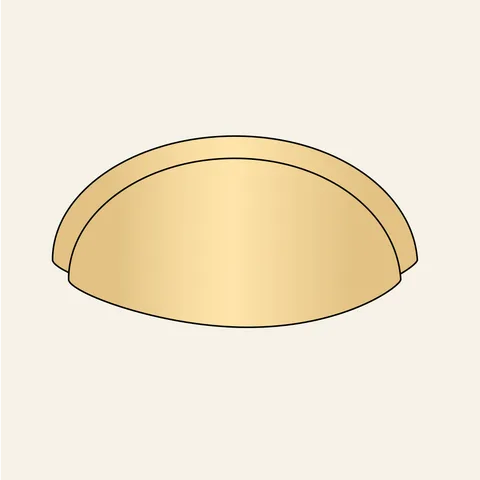
Cup Pull
A half-moon pull with a recessed grip.
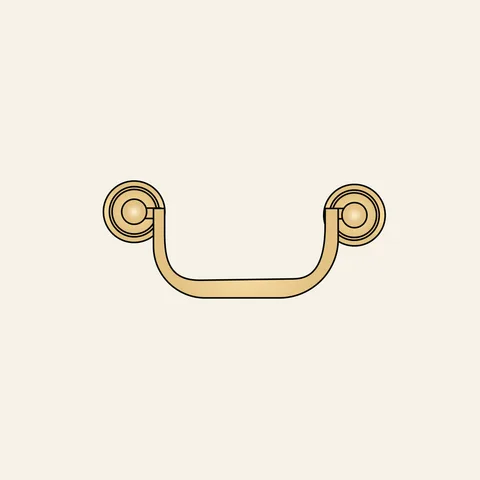
Drop Pull
A single pull that hangs from one mounting point.
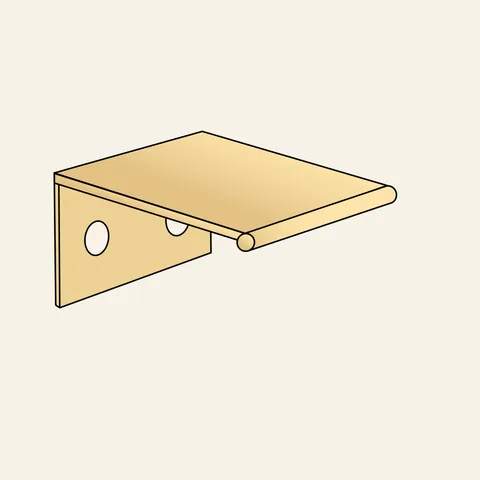
Edge Pull
A pull mounted to the top edge of a door or drawer.
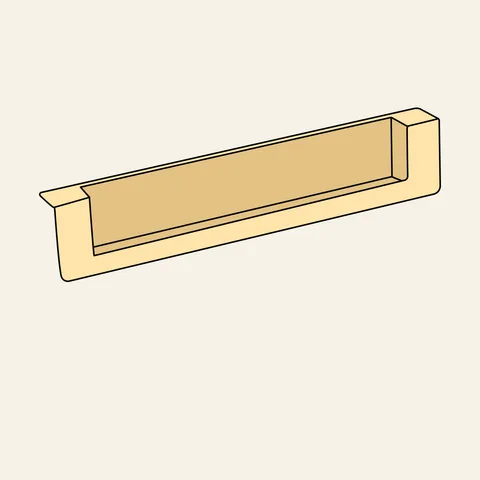
Flush Edge Pull
A recessed pull installed into the door or drawer edge.

Flush Ring Pull
A recessed ring that folds flat when not in use.

Ring Pull
A circular pull mounted on a central post.
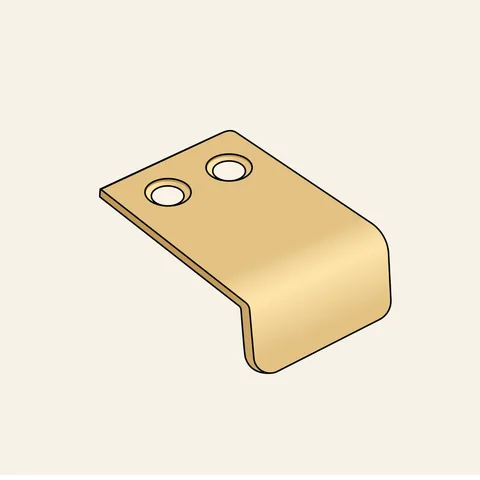
Tab Pull
A small pull mounted at the top or side edge.
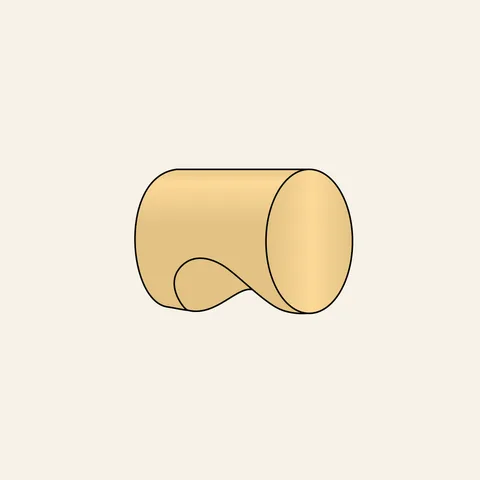
Cylindrical Knob
A cylindrical knob with straight sides.
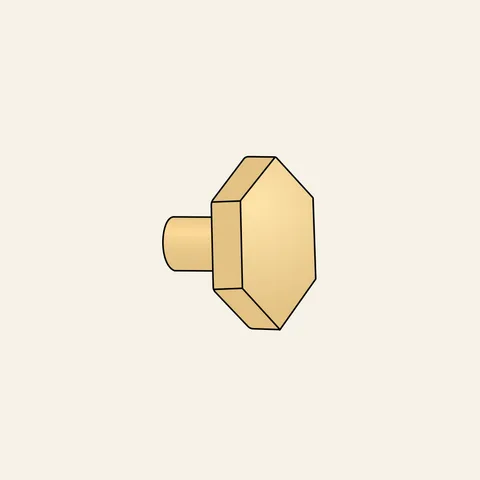
Geometric Knob
A knob with defined angular shapes.
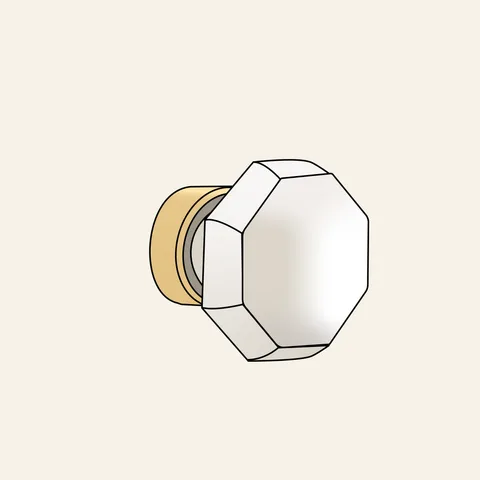
Glass Acrylic Knob
A glass or crystal knob with faceted edges.
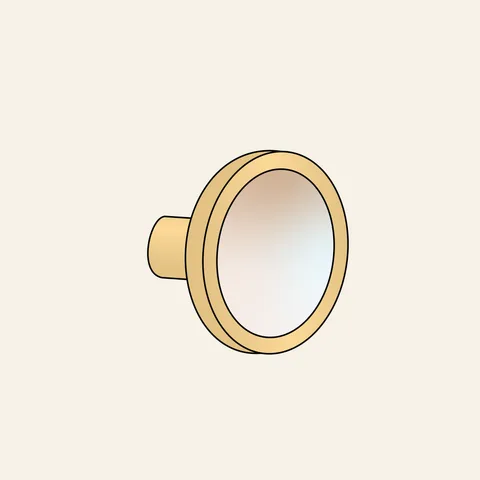
Inlay Knob
A knob featuring a contrasting material in its face.
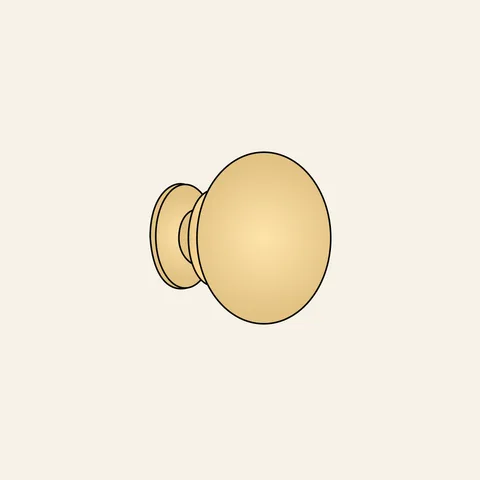
Mushroom Knob
A rounded knob with a slightly domed top.
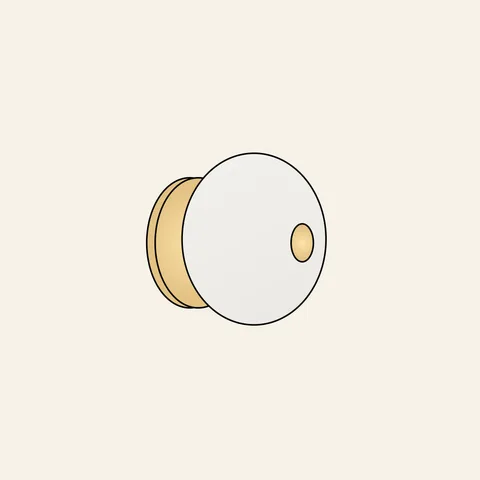
Porcelain Knob
A ceramic knob with a smooth finish.

Textured Knob
A knob with a patterned surface for grip.
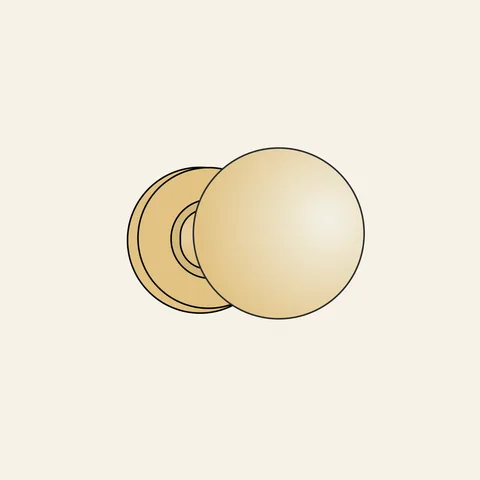
Ball Knob
A round knob with a spherical shape.

Decorative Knob
A knob with unique shaping used as a design accent.
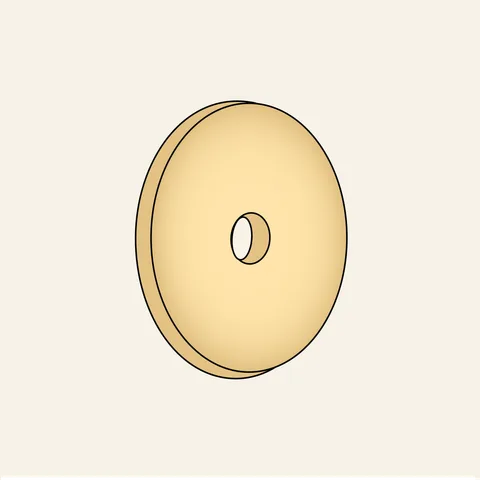
Knob Plate
A plate installed behind a knob for protection or detail.

Square Knob
A knob with straight edges and sharp corners.
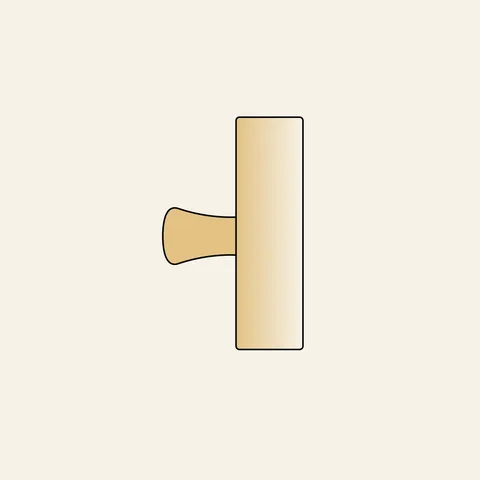
T Knob
A horizontal bar-shaped knob.
Ready to Specify?
Visit the Vancouver showroom to see, touch, and operate hardware in person — or download the complete specification guide to share with your contractor or designer.