
Living Finishes: Why Unlacquered Brass Changes, and Why That Is the Point
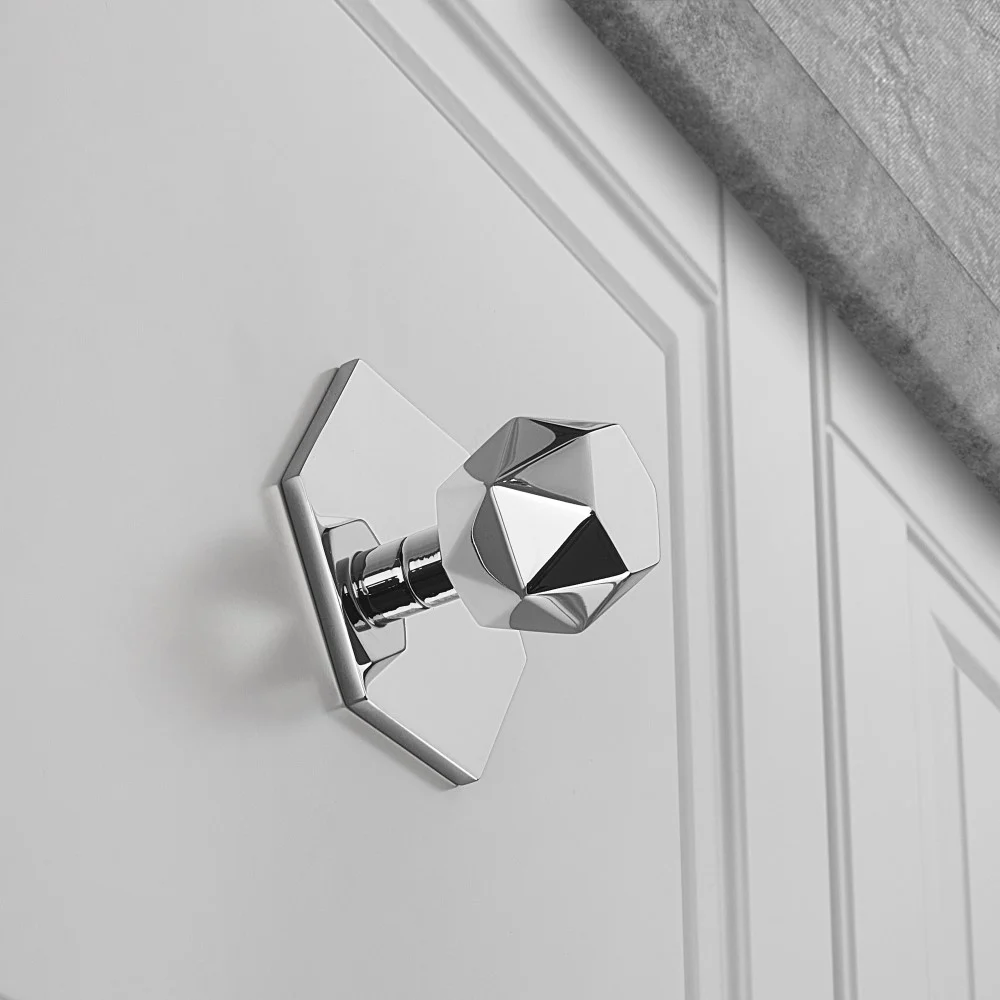
Unlacquered brass darkens, deepens and wears back to a shine where your hand falls. How a living finish ages, and how to decide whether you want one.
Unlacquered brass does not stay the way it looks in the box. That is not a defect. It is the whole appeal.
What a living finish actually is
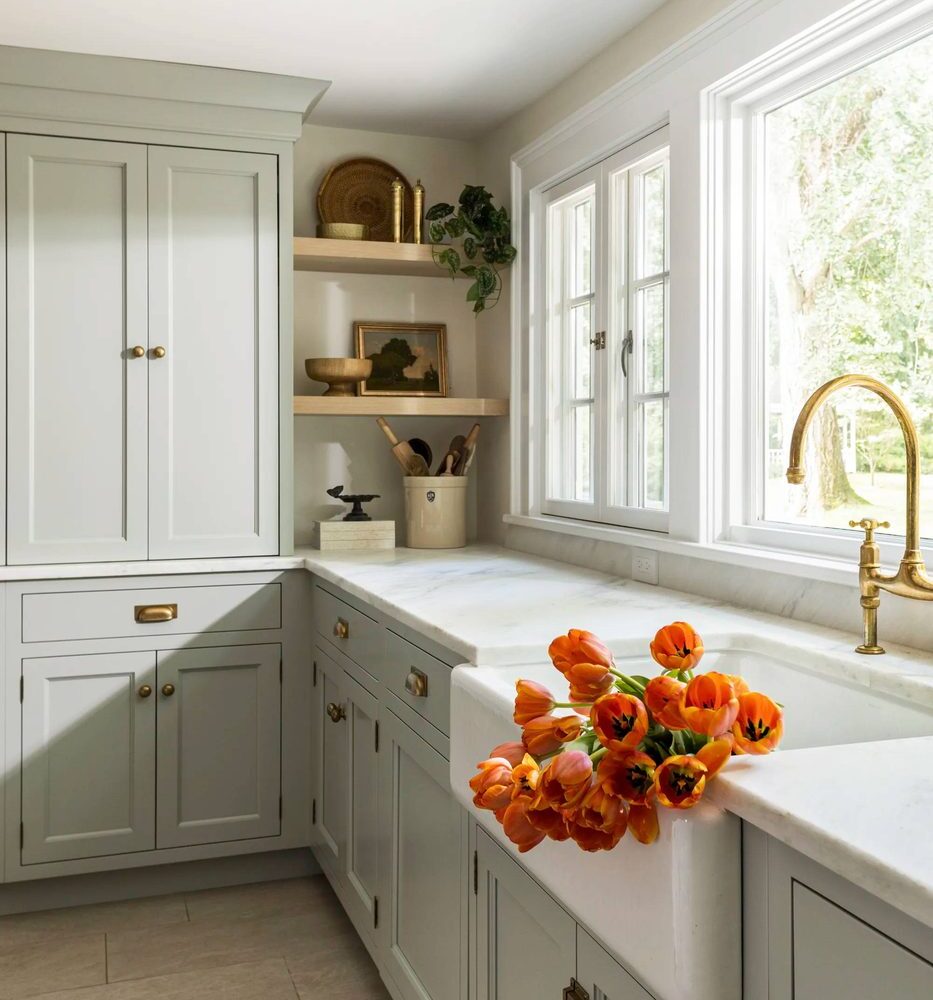
A living finish has no protective topcoat. The metal meets air, moisture and hands directly, and it responds. Over months the bright yellow of new brass deepens toward amber, then bronze. Around a thumb turn or the pull you reach for every morning, the patina wears back to a soft shine.
How it ages in a real home
Kitchens age fastest. Powder rooms stay bright for years. A back door handle in Vancouver weather will darken within a season.
Slowing it down
A dry cloth is usually enough. Skip abrasive polish unless you want to reset the surface entirely.
When to choose something else
If you want the hardware to look identical in five years, choose a lacquered or PVD finish. Living finishes reward people who like change.
Frequently Asked Questions
Will unlacquered brass tarnish in a bathroom?
Yes, and faster than in a bedroom. Humidity accelerates the patina. Most people find bathrooms develop the most attractive ageing of any room in the house.
Can I restore the original bright finish?
Yes. A non-abrasive brass polish takes it back to near-new. The patina then begins again from there, which is part of why living finishes suit people who like to tinker.
Does patina void the manufacturer warranty?
No. Warranties on living finishes cover defects in manufacture, not the natural change in surface colour, because that change is the intended behaviour of the product.
How do I keep a consistent look across a whole kitchen?
Install everything at the same time. Pieces that start together age together. Adding a matching pull two years later will always read as newer for a while.
Is unlacquered brass suitable for a coastal home?
It ages faster near salt air, developing a deeper patina in months rather than years. If you want that look, it is ideal. If you do not, choose a PVD finish rated for coastal exposure.
Living Finish Explained
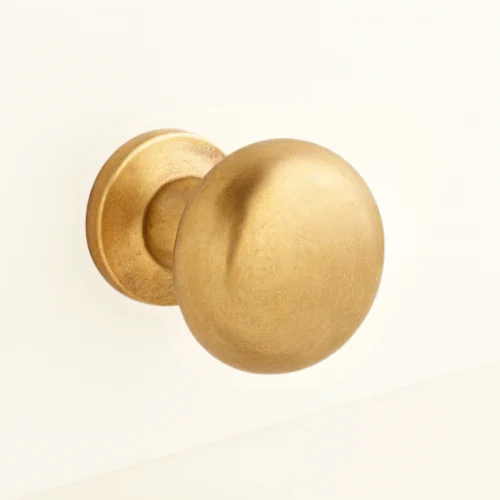
A living finish is unsealed metal. It reacts naturally to air, moisture, and touch, developing patina as it oxidizes. Patina is the surface change that occurs over time — gradual, natural, and unique to each piece.
Natural Surface
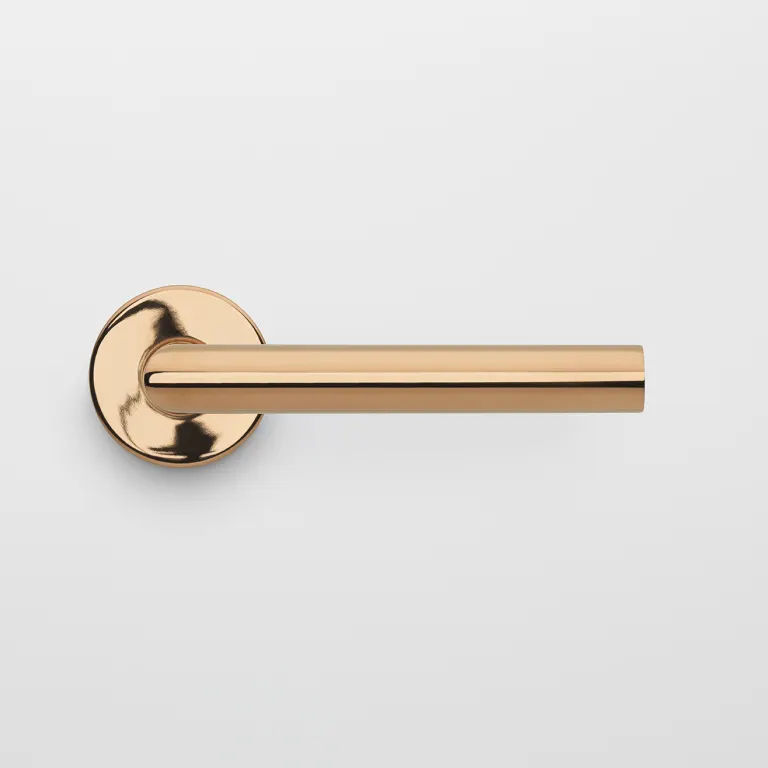
The original tone of the metal before visible oxidation.
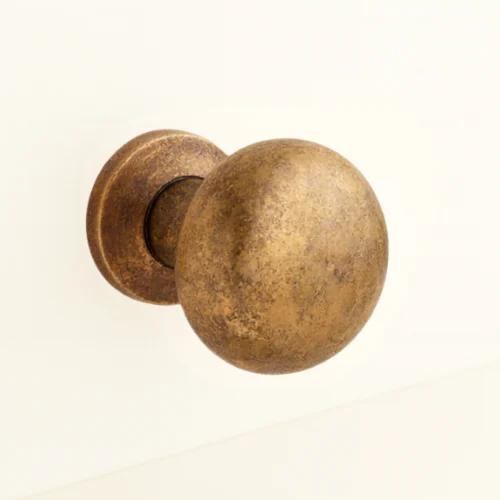
Mid Patina
Surface variation begins. High-touch areas deepen first.
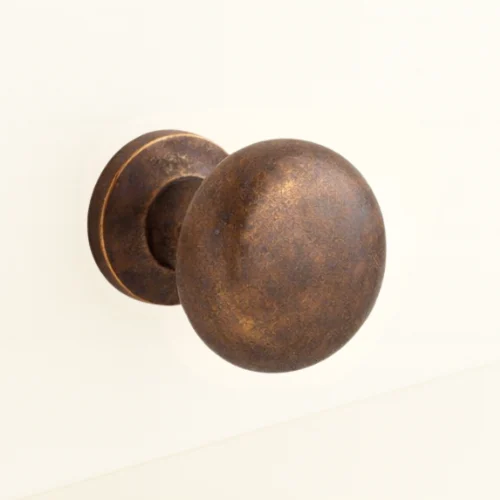
Full Patina
Richer tone and greater depth. Variation becomes part of the character.

Meet the designers & makers.




Touch Every Brand.
See Every Finish.
Explore curated displays, compare materials and meet with our hardware specialists in Vancouver.
Bradford Hardware102 – 1880 Fir Street, Vancouver, BC V6J 3B1
Monday – Friday, 9am – 5pm
604 569 0783